
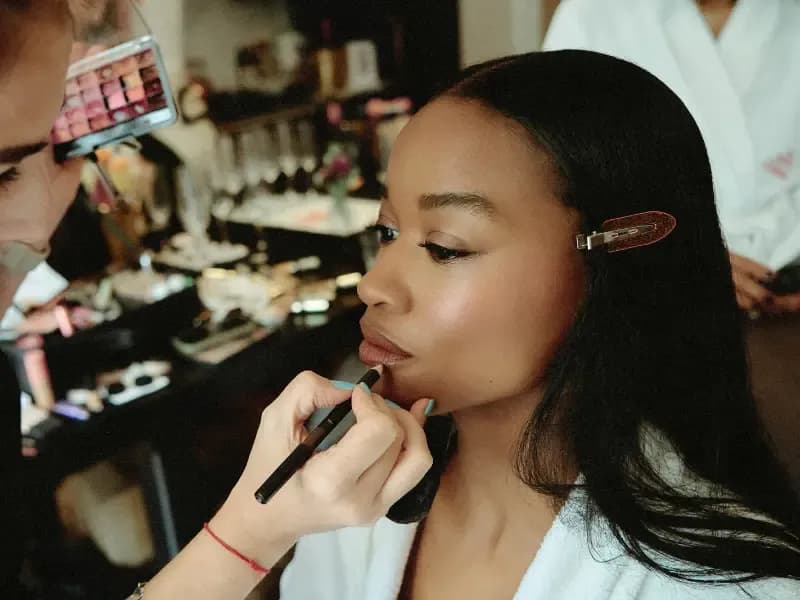
An outdoor ceremony exposes your makeup to environmental forces that indoor venues largely neutralize. Direct sunlight accelerates the oxidation of foundation pigments, causing shade shifts that become visible in photographs within hours. Wind pulls moisture from the skin's surface, drying out cream-based products and cracking powder finishes. Humidity does the opposite, introducing excess moisture that loosens the bond between primer and foundation, turning a flawless base into a patchy one by cocktail hour. Understanding these forces is the first step toward building long-lasting outdoor wedding makeup that performs from the first look through the last dance.
The Science Behind Sweat, Sebum, and Foundation Failure
Sebum excretion rates increase by approximately 10 percent for every 1-degree Celsius rise in skin temperature. For a bride standing in direct sunlight during a 30-minute ceremony, that translates to a measurable increase in facial oil production that actively works against makeup adhesion. Exercise-induced sweating significantly increases stratum corneum hydration, further disrupting the surface to which foundation clings. These biological responses are unavoidable in hot outdoor settings, which is why professional bridal artists build their entire product strategy around controlling oil and moisture rather than simply applying more product.
Choosing the Right Foundation for an Outdoor Ceremony
Long-Wear and Waterproof Formulas That Hold Up in Heat
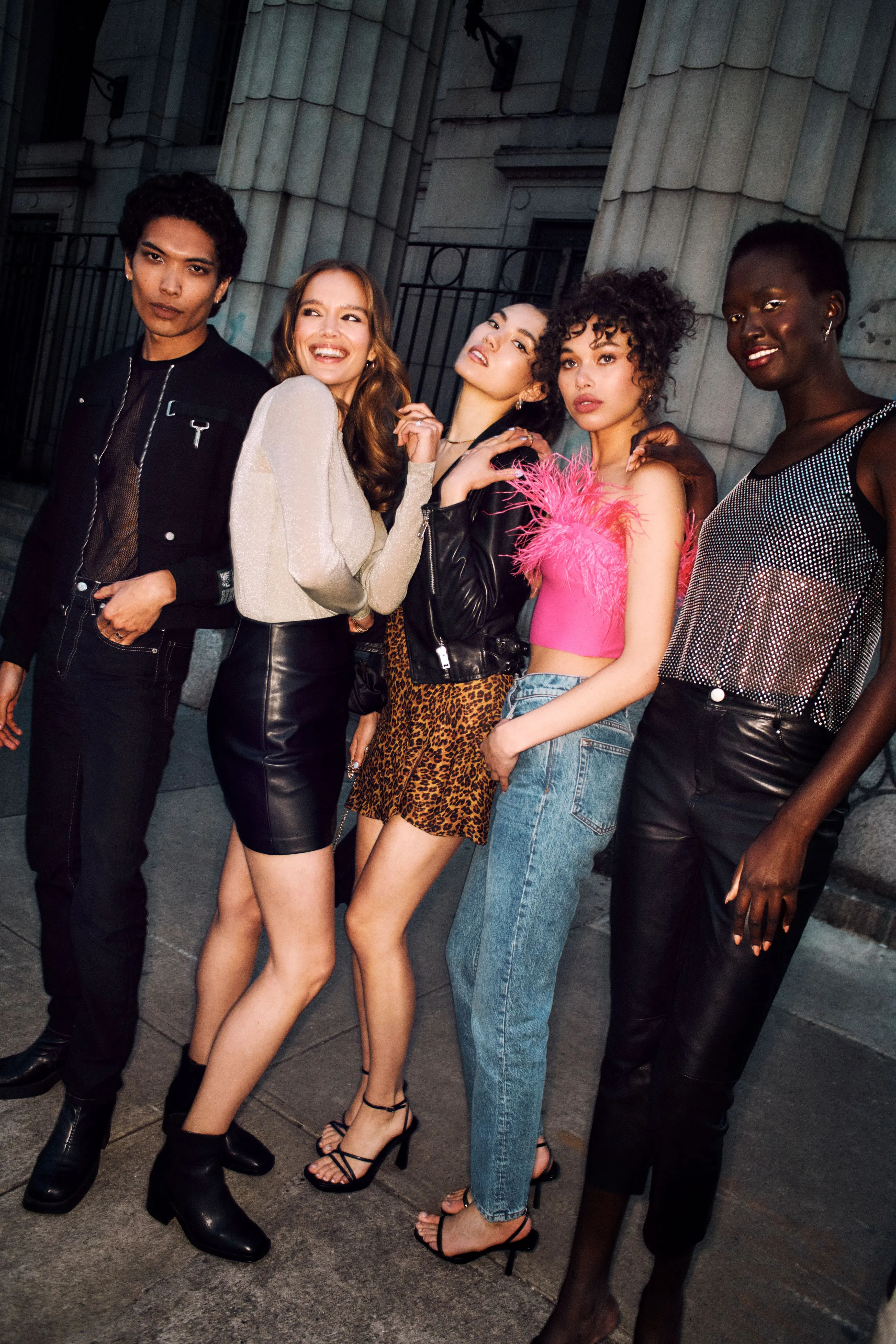
The foundation you choose for an outdoor wedding should be engineered for endurance. Long-wear formulas contain film-forming polymers that create a flexible, breathable barrier on the skin, preventing sweat and oil from breaking through the surface. Waterproof foundations go a step further by incorporating hydrophobic silicones that repel water on contact. For heat-proof wedding makeup, professional artists typically select foundations labeled as transfer-resistant, sweat-proof, or 24-hour wear, then test them during the trial under conditions that simulate the wedding day environment.
Shade matching for outdoor weddings also requires extra care. A foundation that looks perfect under bathroom lighting can appear too dark or too warm in direct sunlight. A skilled at-home makeup artist will check your shade near a window during the trial and may recommend a slightly lighter formula than you would normally wear, since sun exposure naturally warms the skin's undertone throughout the day.
Airbrush Makeup vs. Traditional Application for Outdoor Settings
Airbrush makeup has gained significant popularity for outdoor weddings because its application produces an ultra-thin, even layer that bonds to the skin differently than with sponge or brush application. The fine mist creates a lightweight finish that resists melting in heat while still providing buildable coverage. Traditional application using brushes and sponges offers more control over targeted coverage and blending, which some brides prefer for areas that need extra attention. Both methods can deliver waterproof bridal makeup for outdoor ceremony results when executed by a skilled professional using the right products, so the choice often comes down to personal preference and the artist's recommendation based on your skin type.
Building a Heat-Proof Base From Primer to Setting Spray
Mattifying Primers That Control Oil and Create Grip
Primer is the unsung hero of wedding makeup that lasts in humidity. A mattifying, oil-free primer creates a smooth, grip-ready surface that helps foundation adhere evenly and resist the sliding that heat causes. Silicone-based primers fill fine lines and pores, creating a barrier between the skin's natural oils and the makeup layers above. For brides with oily or combination skin, a pore-minimizing primer applied to the T-zone provides targeted oil control in the areas most prone to breakdown.
The Layered Setting Technique
Professional bridal artists working outdoor events use a layered setting approach rather than a single application of setting spray at the end. The technique involves misting a light layer of setting spray after completing the base makeup, allowing it to dry, then continuing with eye and cheek products. A second mist follows the completed look, and some artists add a final layer after any touch-ups during the photo session. This multi-layer method allows the setting spray to fuse with each stage of the makeup, creating a bonded finish that resists heat and humidity far more effectively than a single coat applied over everything at once.
Ready to book your next appointment?
Book NowEye Makeup That Stays Sharp in Wind and Humidity
Waterproof Mascaras, Liners, and Lid Primers
Eye makeup is the most vulnerable area in outdoor conditions. Heat causes eyelid skin to produce oil that breaks down eyeshadow adhesion, while wind carries dust and debris that can smudge liner. A dedicated eyelid primer is non-negotiable for outdoor weddings. It creates a dry, tacky surface that locks shadow in place for hours. Waterproof gel or liquid liners replace pencil formulas that soften in heat, and tubing mascaras offer an alternative to traditional waterproof mascaras by forming tiny tubes around each lash that resist smudging but remove cleanly with warm water at the end of the night. Your makeup home service professional should test your complete eye look during the trial and evaluate it after several hours of wear. If creasing appears in the crease or along the lash line, the artist can adjust the primer or modify the application technique before the wedding day.
Eyeshadow Strategies for Outdoor Lighting Conditions
Outdoor lighting is brighter and more directional than indoor lighting, which changes how eyeshadow reads on camera. Colors that appear bold indoors can look washed out in direct sunlight, while shimmer and glitter particles catch light in ways that create unwanted hotspots in photographs. Matte and satin finishes photograph more predictably outdoors, and professional artists often increase shadow depth by half a shade to compensate for the flattening effect of strong natural light. A strategic placement of subtle shimmer on the inner corner of the eye adds dimension without the risk of excessive sparkle in photos.
Lip and Cheek Color That Survives a Full Day Outdoors
Liquid Lipstick and Lip Stains vs. Traditional Formulas
Traditional lipstick is one of the first products to fail in outdoor conditions. Heat softens the wax base, causing color to bleed beyond the lip line, while wind dries glossy formulas into an uneven texture. Liquid lipsticks and lip stains solve both problems by drying to a matte or semi-matte finish that bonds to the lip surface. These formulas resist transfer during eating and drinking and maintain their color for hours without the constant reapplication that cream lipsticks require.
Cream Blush Techniques
Cream blushes adhere to the skin's natural oils better than powder formulas, making them a strong choice for warm outdoor settings. Professional artists apply cream blush directly over primer and foundation, then lock it in place with a light dusting of translucent setting powder. This sandwich technique (foundation, cream blush, setting powder) creates a layered hold that resists the fading that heat causes. The result is a natural-looking flush that lasts through the ceremony, portraits, and reception without the chalky buildup that reapplying powder blush can create.
Hairstyles That Complement Heat-Proof Makeup at Outdoor Venues
Updos, Braids, and Secured Styles That Handle Wind
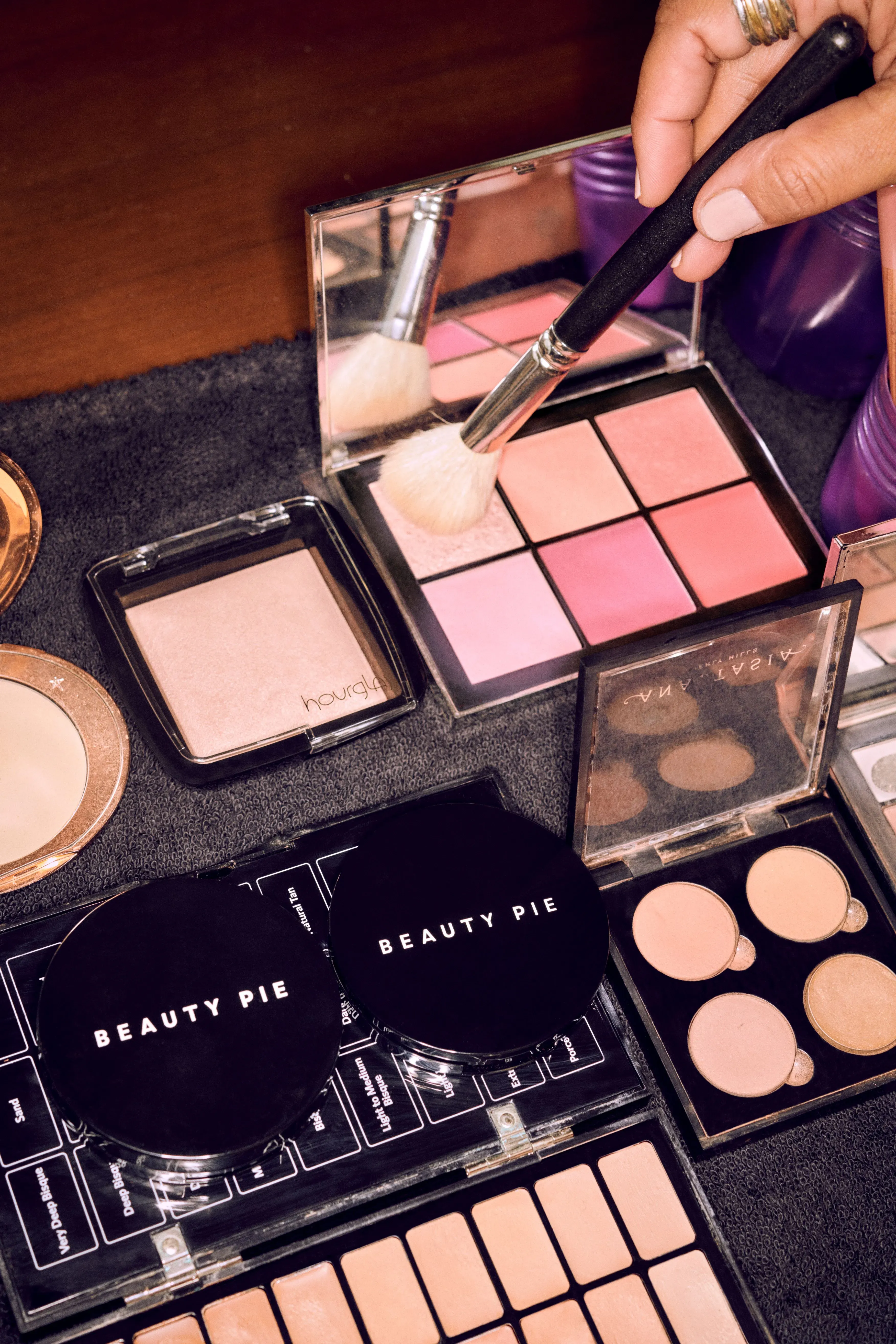
Hair that falls across the face in windy conditions transfers oil and product onto freshly applied makeup, creating smudges and disrupting the finish. For outdoor weddings, an on-site bridal hair and makeup professional will typically recommend secured styles that keep hair away from the face entirely. The following styles perform exceptionally well in challenging outdoor environments:
- Low Chignon With Textured Volume. A chignon anchored at the nape of the neck resists wind disruption because the weight sits low and the structure is compact. Adding soft texture through backcombing or wave preparation before pinning gives the style visual interest without sacrificing the security required by outdoor venues.
- Braided Crown or Wrapped Braid. Braids create mechanical hold by interlocking strands rather than relying on spray or pins alone. A braided crown wraps around the head, distributing tension evenly and keeping the style intact through gusts while adding a romantic, organic aesthetic that complements garden and vineyard settings.
- Twisted Updo With Strategic Pinning. Twisted sections secured with interlocking bobby pins create a style that holds its shape even in sustained wind. A professional stylist places pins in an X-pattern at stress points, then reinforces with a strong-hold finishing spray that adds invisible structure without visible stiffness.
- Half-Up Style With Secured Front Sections. For brides who prefer hair down, a half-up style that pins the front sections firmly away from the face protects the makeup zone while allowing length to flow in the back. The secured top section prevents wind from pushing strands across the forehead and cheeks.
Each of these styles keeps your makeup undisturbed throughout the ceremony and reception while still delivering the polished, photogenic look that outdoor wedding photography demands. Glamsquad's event hairstyle guide offers additional options suited to formal outdoor occasions.
Products That Fight Frizz and Maintain Hold in Humid Air
Humidity causes the hydrogen bonds in hair to absorb atmospheric moisture, swelling the hair shaft and producing frizz that disrupts even the most carefully constructed style. Anti-humidity serums and smoothing creams applied before styling create a barrier that slows this absorption. A flexible-hold hairspray finishes the look without the brittleness that high-hold formulas can produce in dry heat. For an on-site wedding hair and makeup team working at an outdoor event, the hair product selection is as climate-specific as the makeup kit. Professionals adjust their approach based on whether the day's forecast calls for dry heat, coastal humidity, or variable conditions.
Ready to book your next appointment?
Book NowPreparing Your Skin in the Weeks Before an Outdoor Wedding
Hydration, SPF, and Pre-Wedding Skincare Adjustments
The foundation of long-lasting outdoor wedding makeup is healthy, well-hydrated skin. In the six to eight weeks before the wedding, establish a consistent routine that includes gentle cleansing, a hydrating serum, a lightweight moisturizer, and broad-spectrum SPF 30 or higher every day. Sun protection is especially important for outdoor brides because sunburn or uneven tanning in the weeks before the wedding creates an inconsistent canvas that makes shade matching difficult. Avoid introducing new active ingredients like retinoids or chemical exfoliants within two weeks of the wedding to reduce the risk of unexpected irritation or peeling.
Summer environments increase transepidermal water loss and greasiness while reducing skin pH, all of which affect how makeup sits on the face. Preparing your skin in advance with consistent hydration counters these effects and gives your artist the best possible surface to work with on the wedding morning.
Why a Trial in Outdoor Conditions Is Essential
An indoor trial under studio lighting cannot replicate the conditions your makeup will face at an outdoor venue. When searching for a professional wedding hair and makeup artist near me, ask whether they conduct outdoor trials for brides planning open-air ceremonies. Schedule your trial on a day with similar weather to your expected conditions and spend several hours outdoors after the application. Take photos in direct sunlight, in shade, and with flash to evaluate how the colors read. Pay attention to how the makeup feels after two to three hours of heat exposure. Has the eye makeup creased? Has the lip color migrated? Your in-home makeup artist can use these observations to refine the formula and technique before the wedding day, and this single adjustment can mean the difference between a look that lasts and one that fades.
Touch-Up Essentials for Outdoor Ceremonies and Receptions
What to Pack in Your Day-of Emergency Kit
Even the most expertly applied makeup bridal look benefits from strategic touch-ups at an outdoor event. The elements are relentless, and a well-stocked emergency kit is what separates a bride who looks flawless in evening reception photos from one whose makeup tells the story of a long day in the sun. The following steps keep your look fresh from the ceremony through the sparkler exit:
- Blot Before You Powder. Use oil-blotting sheets on the T-zone before applying any powder. Pressing translucent powder directly over oil creates a cakey buildup that looks worse than the shine it replaces. Blotting first removes the excess oil, and a light powder application resets the matte finish cleanly.
- Reapply Lip Color After Eating and Drinking. Lip color fades fastest during the cocktail hour when you are greeting guests and enjoying drinks. Line your lips with the matching liner first, then apply one thin layer of your liquid lipstick. This approach builds back full coverage without the thick, uneven result of layering product over residue.
- Mist Setting Spray to Reactivate the Base. A light mist of setting spray between the ceremony and reception refreshes the entire look by reactivating the polymers in the original application. Hold the bottle eight to ten inches from your face and mist in a T or X pattern for even coverage.
- Address Under-Eye Smudging With a Clean Brush. Rather than adding more concealer over smudged mascara or liner, use a clean, small brush to gently wipe the fallout away first. Then apply a tiny amount of concealer only to the affected area and blend with a fingertip for a seamless correction.
Assign a trusted bridesmaid or your wedding planner to carry this kit throughout the day. A guide to making a manicure last longer covers similar maintenance principles for nail care that complement an outdoor touch-up routine.
When and How to Refresh Without Disrupting the Base
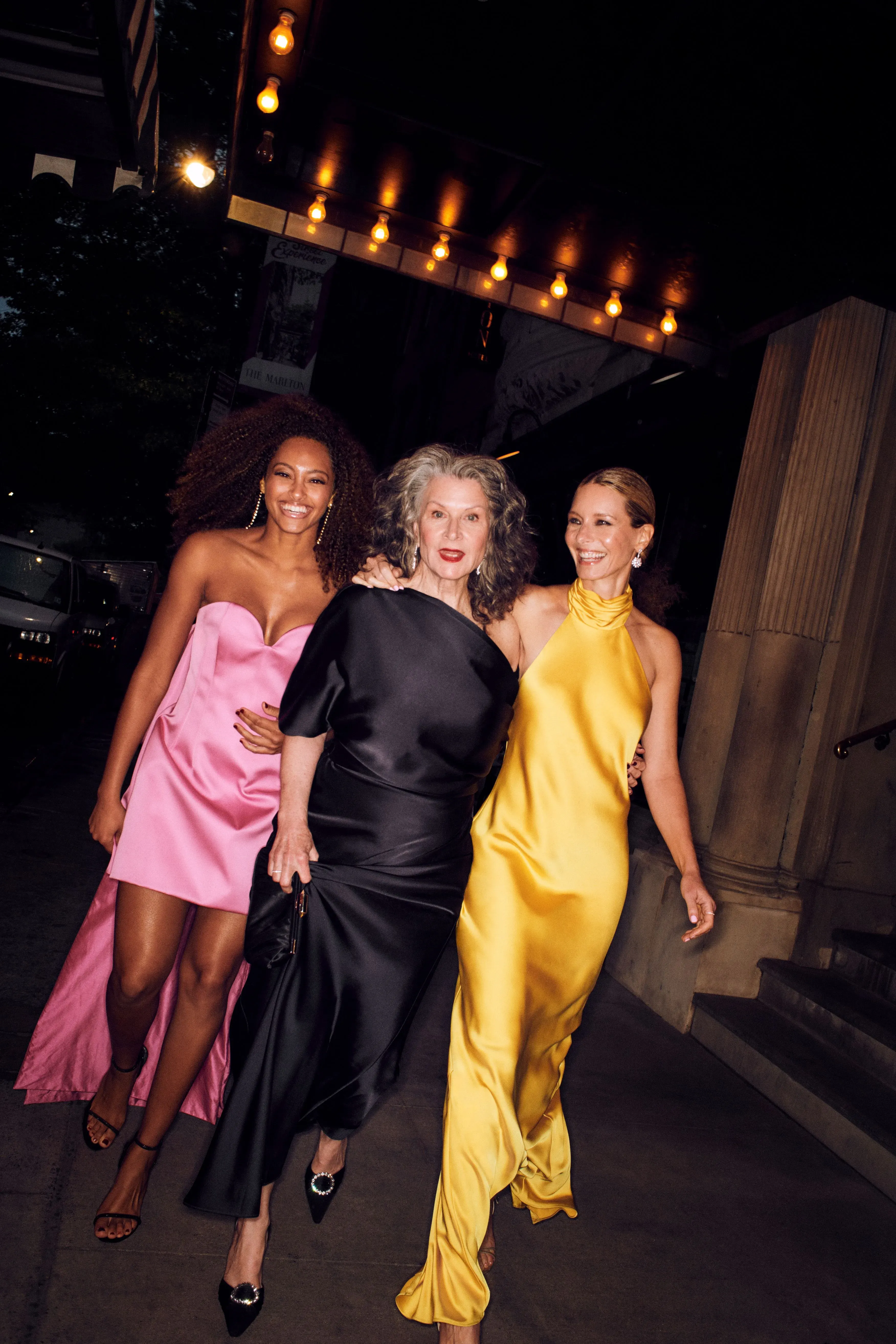
Timing your touch-ups is as important as the products you use. The ideal moments are between the ceremony and the portrait session, and again between portraits and the reception entrance. These natural pauses in the timeline give you five to ten minutes to address any fading without rushing. Avoid the instinct to reapply foundation over areas that have broken down, as layering new product over compromised makeup creates texture problems that photograph poorly. Instead, blot, mist, and make targeted corrections only where needed. Your at-home makeup artist service professional can prepare a personalized touch-up kit during the trial that includes only the products used in your look, ensuring every correction blends seamlessly.
When searching for a traveling bridal hair and makeup team that understands outdoor conditions, start by choosing a service built on professional standards and climate-aware artistry. When the right professional arrives at your venue equipped with the products, techniques, and experience to handle whatever the weather brings, your only job is to enjoy the morning and trust that your look will last as long as the celebration does.
Sources
- Cunliffe, W. J., & Shuster, S. (1970). The effect of local temperature variations on the sebum excretion rate. British Journal of Dermatology, 83(6), 650-654. Jamanetworkjamanetwork.com/journals/jamadermatology/article-abstract/528316
- Wang, T. J., et al. (2013). Effect of exercise-induced sweating on facial sebum, stratum corneum hydration, and skin surface pH in normal population. Skin Research and Technology, 19(1), 104-108. Wileyonlinelibrary.wiley.com/doi/abs/10.1111/j.1600-0846.2012.00645.x
- Park, H. Y., et al. (2019). Influence of exposure to summer environments on skin properties. Journal of the European Academy of Dermatology and Venereology, 33(11), 2192-2196. NihInfluence of exposure to summer environments on skin properties - PubMed
- Lee, S. Y. (2023). Skin health response to climate change weather tailored cosmetics using artificial intelligence. Journal of Medical Artificial Intelligence, 6, 18. AmegroupsSkin health response to climate change weather tailored cosmetics using artificial intelligence
- Nagase, S., Kajiura, Y., & Mamada, A. (2007). Evaluation of hair humidity resistance/moisturization from hair elasticity. Journal of Cosmetic Science, 58(4), 527-536. NihEvaluation of hair humidity resistance/moisturization from hair elasticity - PubMed
- Khush Wedding. (2026). How to make your bridal makeup survive sweat, tears, and long ceremonies, as per two experts. Khush Magazine. KhushweddingHow To Make Your Bridal Makeup Survive Sweat, Tears And Long Ceremonies, As Per Two Experts - Khush Wedding Inspiration