

Achieving a quality blowout at home service is easier than you might think. With the right technique and tools, you can get smooth, bouncy hair that lasts for days. In this guide, we’ll break down how to blowout hair step by step, share hair volume tips for extra lift, and explain how to make the results last. From prepping your strands to the finishing touches, you’ll learn to create the perfect at-home blowout that stays sleek and full of body.
Understanding the Blowout: What It Is and How It Works
A “blowout” is a styling method where hair is dried and shaped using only a blow-dryer and a round brush, resulting in a smooth style with both sleekness and volume. Unlike a quick blow-dry to remove moisture, a true blowout uses specific techniques to create a polished look. This typically involves sectioning the hair, applying tension with a brush, and directing heat from the dryer down the hair shaft, which smooths the cuticle and adds bounce. This is not a haircut or chemical treatment. It is a styling session that can transform the look and texture of your hair using just hot air and brush work.
To understand how hair blowouts work, remember that heat plus tension equals shape. The hot air rearranges the hydrogen bonds in your hair, and the brush’s pulling action molds the hair into a new configuration. By the time each section is dried and cooled, the hair sets in that smooth, voluminous form. The result is hair that’s shiny, with curled-under ends or loose waves if desired, and plenty of lift at the roots. A well-executed blowout can give the effect of more hair volume than you actually have because it elevates the hair and smooths it out.
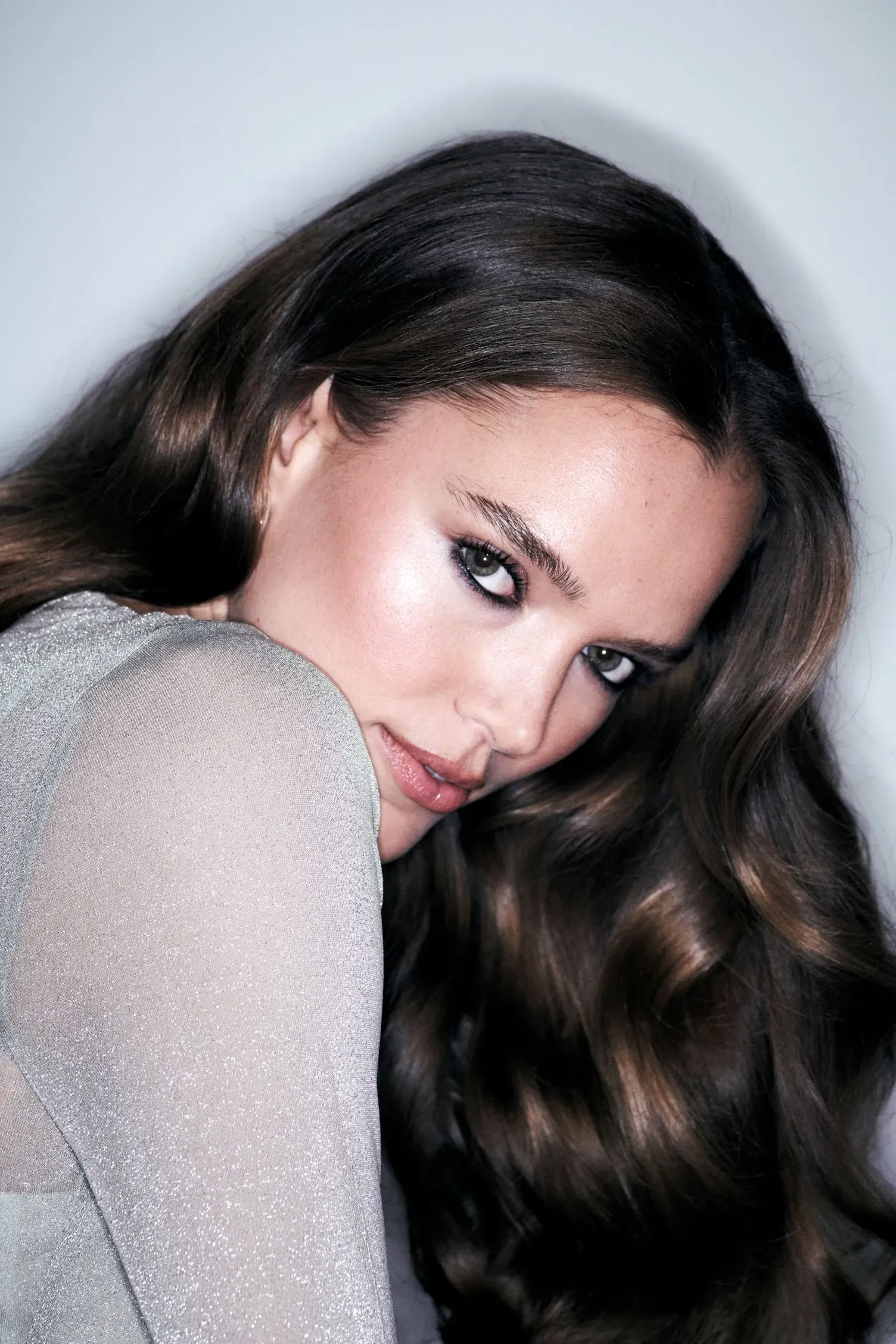
Another reason blowouts are so popular is their staying power. A properly done blowout can last for several days, typically around three to five days of great hair, depending on your hair type and how well you maintain it. This longevity makes it a go-to style for busy people. You invest some time up front in the blowout, and then you enjoy low-maintenance, fabulous hair for nearly a week. Of course, factors like humidity, workouts, or sleeping habits can affect how long your blowout stays flawless.
Essential Tools and Prep for a Long-Lasting At-Home Blowout
Wash your hair with a shampoo suited to your needs. It might sound basic, but a thorough wash is crucial. Any heavy residues or oils left in your hair will weigh it down and shorten the lifespan of your style. Follow with conditioner only on the mid-lengths and ends of your hair. Rinse well, and starting your blowout on super clean hair ensures you’re not fighting an uphill battle against grease or buildup.
When you step out of the shower, resist the urge to rough up your hair with a regular bath towel. Instead, gently blot and squeeze out excess water using a soft T-shirt or a microfiber towel. This reduces friction (and frizz). Your hair should go from soaking wet to damp, about 70-80% dry, before you begin the blow-drying process. Use a wide-tooth comb or a detangling brush to gently remove any tangles. Start from the ends and work upward to avoid breakage. Remember, “rough-dry” shouldn’t actually be rough. You’re just pre-drying without styling yet. If you like, you can even flip your head upside down for a quick finger-tousle with the dryer on low heat; this can jumpstart volume at the roots as it dries.
Once your hair is damp, apply a heat protectant product. This is a non-negotiable step for any blowout. Heat protectants come as sprays, creams, or serums, so choose one that suits your hair. Distribute it evenly, combing it through from mid-shaft to ends. This product will coat your strands and guard them from the high temperatures of the blow-dryer, helping prevent dryness and split ends. Most heat protectants also add a bit of smoothness or hold. In addition, now is the time to work on any specialty products to achieve the result you want. If you have thin or flat hair, a volumizing mousse or root-lift spray applied at the crown can give your blowout more oomph. Mousse is great because it’s airy and expands when heated, providing body without heaviness.
On the other hand, if your hair is thick, coarse, or prone to frizz, a small amount of smoothing serum or a blowout cream can help tame puffiness and seal the cuticle. The idea is to use targeted products that address your hair’s needs without overloading it. Be sparing: too much product can weigh hair down or make it greasy. A palmful of mousse or a dime-sized drop of serum is usually enough. Remember that many modern styling products have dual purposes. Often, the best blowout products for fine hair are those that provide heat protection and volume in one, and likewise, products for thick hair might add smoothness and thermal protection together. To master an at-home blowout, you’ll want the same kind of tools the pros use:
- Blow-Dryer (with Nozzle Attachment): A quality hair dryer is your primary tool. For efficiency, use a dryer with at least 1800 watts of power and multiple heat settings. Always attach the concentrator nozzle that likely came in the box. This narrow nozzle focuses the airflow into a direct path. Using the concentrator is key to a smooth blowout because it lets you aim the hot air down each section of hair rather than blowing it all around.
- Round Brush: The quintessential blowout tool, essentially what makes a round brush blowout possible. These brushes come in various sizes and materials. For a classic blowout, a medium to large round brush works for most hair lengths: larger barrels create straighter, smoother hair with a gentle bend at the ends and lots of volume, while smaller barrels can create more curl or are handy for short hair and bangs. Choose a brush that’s easy for you to handle.
- Sectioning Clips: Professional stylists always section the hair during a blowout, and that’s a habit worth copying. Have a few alligator clips or claw clips on hand so you can divide your hair into sections as you work. This “divide and conquer” approach ensures each section is dried thoroughly and styled nicely. Without sectioning, you’ll be overwhelmed trying to manage all your hair at once.
- Optional Extra Tools: If you like, keep a flat brush around to help smooth out any kinks at the roots or to assist with rough-drying. A diffuser attachment is useful if you ever plan to blow-dry curly hair without straightening it. You might also grab some Velcro rollers or a set of large hairpins if you plan to “set” your hair for maximum volume. And finally, you’ll need a few finishing products ready for the final touches once the blowout is complete.
By assembling these essentials and prepping correctly, you’ve set the stage for success. Now, let’s get into actually blow-drying your hair into that bouncy, salon-worthy style.
Ready to book your next appointment?
Book NowStep-by-Step Blowout Guide: Drying and Styling Your Hair
Working in sections is critical for a smooth, thorough blowout. If you haven’t already, use your clips to divide your damp hair. A common approach is the “quadrant” system: split your hair into four main sections: top left, top right, bottom left, bottom right. If your hair is very thick or long, you might further subdivide these. A simple way is to separate a top layer and a bottom layer first: gather the top half of your hair and clip it out of the way. You’ll start with the bottom half (nape area) because it’s easiest and ensures you dry the underside sections before the top sections lay over them. Within the bottom half, you can work from one side to the other.
Unclip one of your bottom sections. Take your round brush and place it under the first subsection of hair, right at the root. Turn your dryer on a medium heat setting. With the nozzle on, aim the airflow downward from the root area while lifting the hair at the roots with your brush. The idea is to dry the roots and give them lift before moving down the length. Often, the roots hold the most water, so focus heat there initially. Pull the brush through a few inches of the hair from the scalp, following it closely with the dryer. You might even hold the brush at the root for a couple of seconds with tension to encourage volume. Getting the roots mostly dry and lifted sets the stage for a voluminous blowout rather than a flat one.
Now, continue to pull the round brush down the hair shaft, slowly, while following it with the dryer from above. Always keep the dryer’s nozzle pointed toward the ends and down the strand. As you near the ends, you have options: to get a curled-under end, you can twirl the brush inward; for a flip outward, twirl outward; for straight ends, keep tension and let the hair just slide out straight. A common technique is to roll the brush at the ends, basically turning the brush as you reach the ends so the hair winds around it, then pulling out to get a nice bend. Take your time with each pass. You don’t need to whip the brush through quickly; in fact, a slower pass with tension works better.

Never let the hair sit still under high heat, as that can cause damage. Throughout this process, remember that it’s like drying and styling simultaneously. It takes coordination: one hand holds the brush, and the other maneuvers the dryer. If you’re new, you might find it easier to hold the dryer in your dominant hand for control and the brush in the other. It’s normal for your arms to get a little tired; take a short break if needed, or switch hands occasionally.
As you finish drying a section, a great trick for long-lasting shape is to let it cool down in the desired form. While the hair is still wrapped around the brush, hit that section with the cool shot on your dryer for a few seconds, or simply hold it in place and give it a moment to cool naturally before unclipping the next section. Cooling locks in the shape. It’s similar to how a curling iron set works, but we’re doing it with a blow-dryer. Some people even slide in a large roller or clip to hold the section in a curled position as it cools. For example, if you want maximum root volume, you can hold the section up after drying, then pin it at the root while it cools. This is essentially a pin-curl set for a blowout. It’s an extra step but yields extra lift. For a big volume hair blowout, you can “while your hair is still warm, pin each section at the base of the curl, then remove the pins once cooled for added lift. If that sounds like too much work, you can stick to just using the brush as your “roller” and giving each section a few seconds to cool on the brush before moving on.
Continue this process section by section. After finishing the bottom sections, unclip the top sections and repeat. Around the crown and front hairline, lift sections up and back as you dry to get volume at the roots and avoid any weird splits or cowlicks. For the pieces framing your face, it often looks nice to blow-dry them away from your face for that feathered, face-opening effect. Keep some tension with your brush and make sure each section is fully dry before moving on. Any dampness left will eventually cause that section to frizz or lose shape.
Gently run your fingers through your hair or use a wide-tooth comb to break up any overly tight sections and to blend everything together. Your hair should feel light, soft, and bouncy. If you notice any section that didn’t fully smooth out or a stubborn wave, you can do a quick touch-up: put the brush back on that piece, reheat it for a few seconds, then cool and release. Next, evaluate the volume: If you want more height at the crown, you can do a tiny bit of teasing (backcombing) at the roots in that area, then smooth the top layer over it. Or use a texturizing spray at the roots for lift. Many stylists spritz a texture or dry volume spray into the crown and lightly massage it in to give a boost. This can mimic the effect of a salon blowout for fine hair that includes a little root tease for height. If you’re prone to flyaways, a frizz-control blowout trick is to take a tiny dab of styling cream, rub it between your palms, and gently smooth it over the surface of your hair to catch any stray frizzies.
Extra Volume Techniques: Hair Volume Tips for a Bouncy Blowout
If big volume is what you’re after, there are a few special techniques and tweaks you can incorporate into your blowout routine. Many of these steps happen during the drying process, but we’re highlighting them separately here as they can take your style from simply smooth to va-va-voom. Consider these hair volume tips to maximize lift and fullness in your at-home blowout:
- Blow-Dry Upside Down (For Roots): One quick way to inject more volume is to flip your head upside down while rough-drying or even for the last part of your blow-dry. This encourages the roots to lift off the scalp. You can blow the roots in an upward direction relative to your head.
- Use the Right Brush Size: As mentioned, a larger round brush gives more volume. If you’re aiming for maximum volume, use the largest-diameter brush your hair length allows. Smaller brushes will create tighter curls but not necessarily overall volume. To maintain strong tension, especially if you have blowout for thin hair that can be slippery.
- Try a Blast of Texture or Dry Shampoo: Fine-haired folks, this tip is for you. Once your blowout is done, a light mist of dry shampoo at the roots can actually add volume on day 1. Dry shampoo powders give a little grip and reduce slipperiness at the scalp, which makes hair less likely to separate and flop. Similarly, a dry texture spray can be spritzed throughout to create a bit of grit and fullness. These are like secret weapons for a fuller look. The best blowout service for thick hair might focus on smoothing, but the best approach for fine hair is boosting volume with the right lightweight products. A volumizing powder sprinkled at the crown or a texture spray can plump up your blowout without backcombing. Just be sure to use a light hand; you can always add more, but if you overdo it, fine hair can get product buildup quickly.
The goal is controlled volume. So execute the basic blowout technique first, then layer on these volume tips to pump it up.
Mastering an at-home blowout takes a bit of practice, but once you get the hang of it, you unlock the ability to give yourself a mini makeover anytime you want. You’ve learned how to dry and style your hair with the right techniques to achieve that smooth, voluminous look we all love. By understanding the fundamentals of how hair blowouts work and tailoring them to your hair type, you can consistently get great results. Even better, with the maintenance tips we covered, that gorgeous blowout can last for several days, making your effort well worth it.

If you ever want to treat yourself or need an expert touch, remember you can always call in reinforcements. Many salons and mobile services are happy to give you a blowout. It’s easier than ever to book a hair blowout online or through an app if you decide to go that route. For instance, Glamsquad offers a blowout service package. A stylist can come to your home and give you that fresh salon look without you stepping outside. It’s a nice option for special occasions or whenever you want to be pampered.
Sources:
- Margaret Fisher, “How To Make Your Blowout Last Longer: 11 Expert Tips.” Hair.com by L’Oréal
- Rebecca Dancer, “How to Give Yourself a Salon-Worthy Blowout at Home.” Allure
- Lauren Valenti (via W Magazine), “How to Keep Your Hair Frizz-Free in Summer’s Humidity.” W Magazine
- Erin Parker, “How to Style Thin Hair, According to Expert Stylists.” Glamour
- Rebecca Norris, “How to Preserve a Blowout Overnight: 11 Tips for Perfect Next-Day Hair.” Byrdie