A freshly done blowout feels incredible. Your hair is voluminous, smooth, and styled to perfection. However, that professional finish often fades quickly without proper care. The secret to extending your professional blowout aftercare strategy starts the moment your stylist finishes. The first few hours set the foundation for how long your style will maintain its shape and bounce. Understanding what to do, what to avoid, and when to refresh your hair can transform a one-day style into a week-long transformation.
The Critical First Four Hours After Your Blowout
Why Timing Matters Most
The first four hours after receiving a blowout at home service or salon appointment are non-negotiable for longevity. During this period, your hair shaft is still warm, and the cuticle layer remains open. The products your stylist applied are still setting and bonding with your hair's structure. Any manipulation or physical stress during these hours can disrupt this crucial setting process.
Your at-home hair stylist provider shaped your hair while it was hot and receptive. As your hair cools completely, it locks into that configuration. Touching your hair or running your fingers through it generates friction that disrupts the smooth cuticle alignment. Even seemingly harmless actions like adjusting your style or checking how it feels can create kinks that never fully disappear. When you use at-home beauty services, you are relying on professional expertise that extends beyond just the appointment itself.
The No Touch Protocol
Implementing a strict no-touch approach during the first four hours protects your blowout investment. Your hands carry natural oils and moisture that can alter the texture of freshly styled hair. When you physically manipulate your hair, you create friction points that develop into waves and frizz. The solution is simple but requires discipline: keep your hands completely off your hair.
If you experience an urge to tuck your hair behind your ears, resist that impulse. This common habit creates a crease in your hair that takes days to disappear. Instead, use hair clips or a light headband to keep hair in place without bending or tucking. When you sit on furniture, be aware of where your hair falls so it does not get caught or compressed. Sleeping is not recommended within the first four hours after your appointment.
Temperature and Cooling
Heat makes the hydrogen bonds in your hair more pliable and easier to shape. As these bonds cool, they set into the new shape your stylist created. Rushing this cooling process or exposing your hair to additional heat before it is completely cool will cause premature style breakdown. Avoid standing near heaters or sunny windows during these critical hours. Do not use a blow dryer, flat iron, or curling iron. Also, avoid tight buns, ponytails, or baseball caps that could create compression marks or indentations. Let your hair simply hang loose or rest gently on your shoulders and back.
Overnight Preservation and Sleep Techniques
Ready to book your next appointment?
Book NowSilk and Satin Sleep Solutions
The surface your hair contacts while you sleep has a tremendous impact on blowout longevity. A cotton pillowcase creates friction as you move during sleep, causing frizz, flyaways, and flattening along the pillow line. Silk and satin pillowcases dramatically reduce this friction, allowing your hair to glide smoothly against the pillow surface without disturbance. This simple switch is one of the most impactful blowout maintenance tips for extending your style. If purchasing new pillowcases feels like an unnecessary expense, silk or satin sleep caps serve the same purpose. These caps cover your entire head, protecting your hair from friction with your pillow while you sleep. They are portable and work beautifully for anyone who wants to preserve their professional hair styling appointments. Some people combine both strategies, using a silk pillowcase and a loose sleep cap for maximum protection.
The Pineapple Wrap Technique
The pineapple wrap is the gold standard for overnight blowout preservation, and every person with a blowout should master this technique. This method creates a protective gathering of hair at the crown without creating creases or compression in your actual blowout. Gather your hair loosely at the top of your head, as though you are starting to make a very high ponytail. The keyword here is loosely. You should be able to fit two fingers between the hair tie and your scalp without effort. Use a silk or satin-covered elastic band rather than a rubber band, which catches and breaks hair. The gathered hair should sit at the crown, not pulling down your already styled strands.
This technique works because it contains your hair in a controlled space while you sleep, preventing your head from flattening one side against the pillow. The loose gathering means your actual blowout styling within the ponytail remains undisturbed. When you wake up, your hair will be exactly as it was before sleep.
Bonnet and Cap Options
A silk or satin bonnet covers your entire head while you sleep, providing comprehensive protection that works especially well for longer hair. Unlike the pineapple wrap, a bonnet does not require any gathering or securing of your hair. Simply place it over your head before sleep, and your blowout is fully protected from any friction or compression.
Days One and Two: Maintaining Structure and Shine
Understanding Day Two Changes
By day two of your blowout, your hair has fully cooled and settled into its new structure. However, you might notice subtle changes in how your style looks and feels compared to immediately after your mobile hair and makeup appointment. Some portions may have relaxed slightly, which is completely normal. Your hair has absorbed some ambient moisture from your environment, and natural scalp oils have begun redistributing from your roots to your lengths.
Root Lift and Texture Revival
Dry shampoo is your most valuable tool for extending professional blowout results on days one and two. Applied directly to your roots, with the roots being your hair closest to your scalp, dry shampoo absorbs excess oil and adds texture. This instantly lifts hair away from your scalp and recreates volume that may have diminished overnight. Choose a dry shampoo formula that matches your hair color to avoid white powder residue.
Apply dry shampoo by dividing your hair into small sections and spraying directly onto the roots. Use your fingers or a soft brush to work the product through and distribute it evenly. Allow the product to set for two to three minutes to let it absorb oils effectively. The result is immediately refreshed volume and texture that makes your blowout look nearly as good as day one.
Ready to book your next appointment?
Book NowVelcro Rollers for Quick Refreshing
Velcro rollers are a quick and gentle way to refresh your blowout without using excessive heat. After applying dry shampoo and allowing it to set, use medium-sized velcro rollers on your lengths and ends. Set your hair on these rollers while you do your makeup or other morning activities. Velcro rollers gently lift and reshape your hair without the damage that comes from blow-drying your entire head again.
Choosing and Using the Right Products for Longevity
Not all hair products support blowout longevity equally. Understanding which products extend your style and which ones destroy it allows you to make informed choices about how to make a blowout last longer. Lightweight finishing sprays, texturizing sprays, and dry shampoos all support longevity by adding texture and reducing oil buildup. Heavy serums, thick oils, and creamy styling products can weigh down your hair and cause it to flatten. Your scalp naturally produces sebum, so additional oils at the roots only accelerate the decline of your style. Texturizing powders and sprays are excellent choices because they add grip and texture without weight. These products are specifically designed to maintain styled hair and keep it looking fresh. Learn more about proper product selection through professional hair styling techniques.
Days Three Through Five: The Extended Wear Period
Your hair has fully absorbed all the styling products and heat set into its structure. It may feel different than days one and two, with a bit more movement and texture. This is simply hair gradually returning to its natural state while still retaining much of the professional styling. If you want your style to last through day five, you must accept that it will not look identical to your original styling. However, it can absolutely remain styled and professional-looking. This requires understanding what changes are occurring in your hair's structure and responding with appropriate maintenance strategies.
On days three through five, you may need to apply dry shampoo more frequently, potentially twice daily. This is because your scalp has continued producing oil, and your hair has continued moving toward its natural texture. Applying dry shampoo in the morning revitalizes your style, and a second application in the late afternoon can extend your day. Focus your dry shampoo application on the crown and root area where oil buildup is most visible.
Eventually, every blowout reaches its natural endpoint. Recognizing when your style has run its course helps you decide whether to schedule a refresh appointment. If your hair has returned to its natural texture or does not improve with dry shampoo, your blowout is officially finished. This typically occurs between days 5 and 7, depending on your hair type and lifestyle. It is time to shampoo your hair thoroughly and consider booking your next appointment with your preferred mobile hair stylist provider. Leaving a blowout in for longer than it naturally lasts can lead to product buildup and damage. Fresh appointments give your hair a break and reset your styling cycle.
Managing Exercise and Physical Activity During Your Blowout
Staying active doesn't have to mean sacrificing your blowout, but it does require a bit of planning. The right timing and a few simple protective habits can keep your style intact through almost any workout routine:
- High Intensity Workouts and Sweat Impact: If you exercise regularly, you must plan your blowout timing strategically. Sweat is fundamentally incompatible with styled hair. When you sweat, perspiration penetrates your hair and disrupts its styling structure.
- Sweatband and Protective Styling: A sweatband placed correctly redirects perspiration away from your hair. Wear the sweatband on your forehead, positioning it to catch sweat before it reaches your scalp and hair. A sweatband is not just a fashion statement; it is a functional protective barrier. Choose sweatbands made from moisture-wicking materials that will not create heat or trap moisture against your skin.
The goal is not to skip the gym during blowout week but to build small protective habits that keep your style intact between salon visits.
Scheduling Your Next Blowout and Planning Frequency
Once you've mastered the art of extending your current blowout, the next step is thinking ahead to the next one:
- Ideal Timing Between Appointments: Most stylists recommend scheduling your next blowout once your current one is fully finished, typically between days 5 and 7. However, if you have an upcoming event, you can schedule earlier.
- Building a Regular Maintenance Schedule: Many people who love their blowouts set up recurring appointments with their stylist. A weekly appointment provides consistent styling and gives your hair regular breaks. Weekly maintenance also allows you to maintain higher style standards throughout the month because each blowout starts fresh rather than trying to refresh a worn-out style. For those interested in professional services, visit hair styling home services and mobile stylists at Glamsquad for more information about scheduling.
If weekly appointments feel excessive or expensive, biweekly appointments represent a reasonable middle ground. This spacing still provides regular professional maintenance while being more budget-conscious. Biweekly appointments mean your hair spends roughly half the month in a fresh blowout and the other half in maintenance, which is a sustainable schedule for most people.
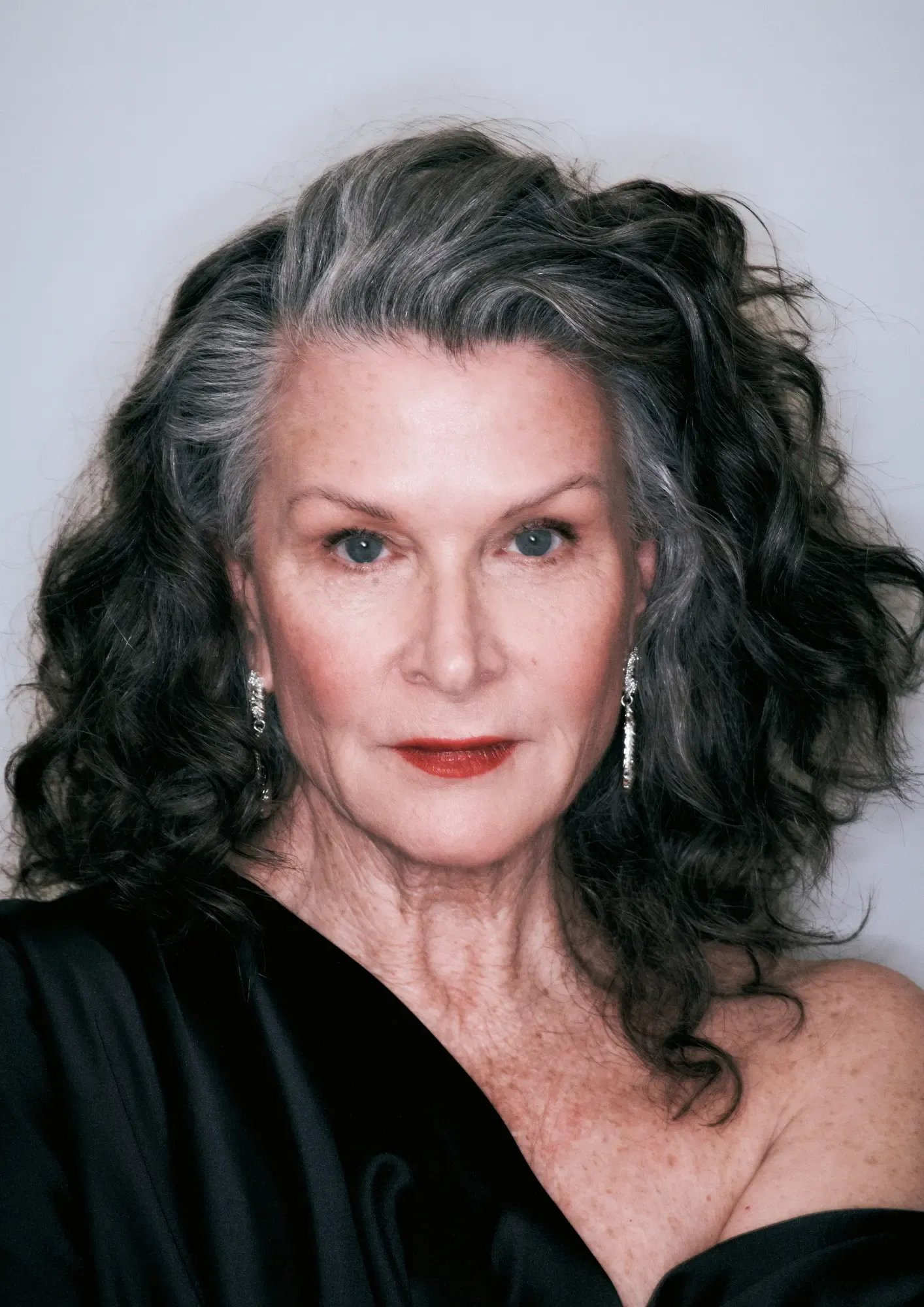
Even with perfect maintenance, your hair needs periodic rest from styling to recover and reset. Spacing appointments allows your hair to return to its natural state, which refreshes the hair structure. This cycling between styled and natural helps maintain long-term hair health while supporting your preference for professional styling.
Sources
- Barr, J., Stalder, A. K., & Haslinger, B. (2020). Hair fiber mechanics and cosmetic science: Understanding structural integrity. Journal of Cosmetic Dermatology, 19(4), 897--905.
- Chen, Y., Liu, S., & Wong, K. (2019). Hydrogen bonding dynamics in keratin structures and heat application. International Journal of Trichology, 11(3), 124--132.
- Davis, R., Patel, M., & Singh, N. (2021). Environmental humidity and moisture penetration in styled hair. Cosmetic Science and Technology Review, 28(2), 156--171.
- Hernandez-Lopez, C., & Montoya, E. (2020). Friction resistance of fabric surfaces and hair fiber interactions. Textile Research Journal, 90(16), 1823--1837.
- Kumar, R., Zhang, L., & Thompson, G. (2019). Product chemistry and hair cuticle interactions: Weight versus texture optimization. Journal of the Society of Cosmetic Chemists, 70(5), 412--428.
- Wu, S., Park, J., & Volkov, M. (2021). Sweat chemistry, salt accumulation, and styled hair degradation. Applied Cosmetic Science, 15(1), 45--58.