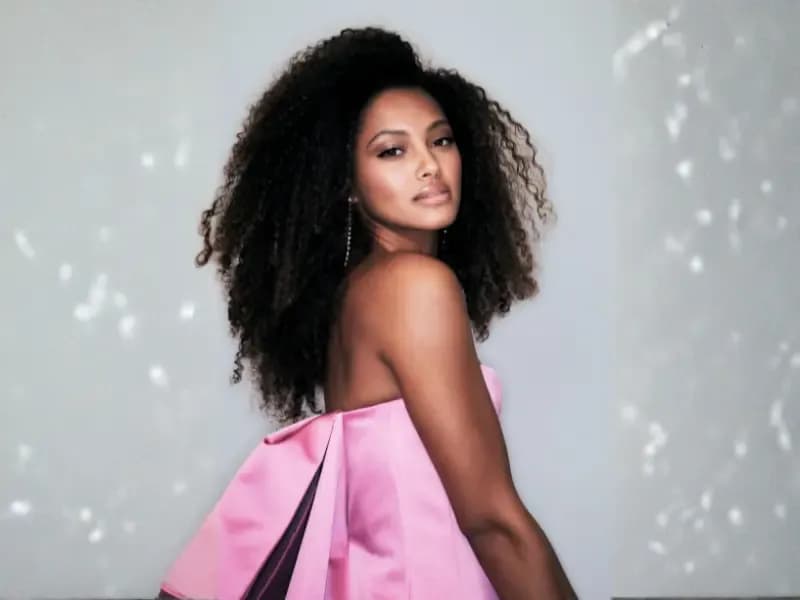
Selecting the ideal blowout is not a matter of copying the latest social media trend. Every person carries a unique skeletal architecture that dictates where volume, movement, and sleekness produce the most flattering results. Mastering the intersection of blowout styles for face shape unlocks a level of polish that generic styling advice simply cannot deliver.
Understanding Face Shape Fundamentals
Why Bone Structure Determines Your Best Blowout
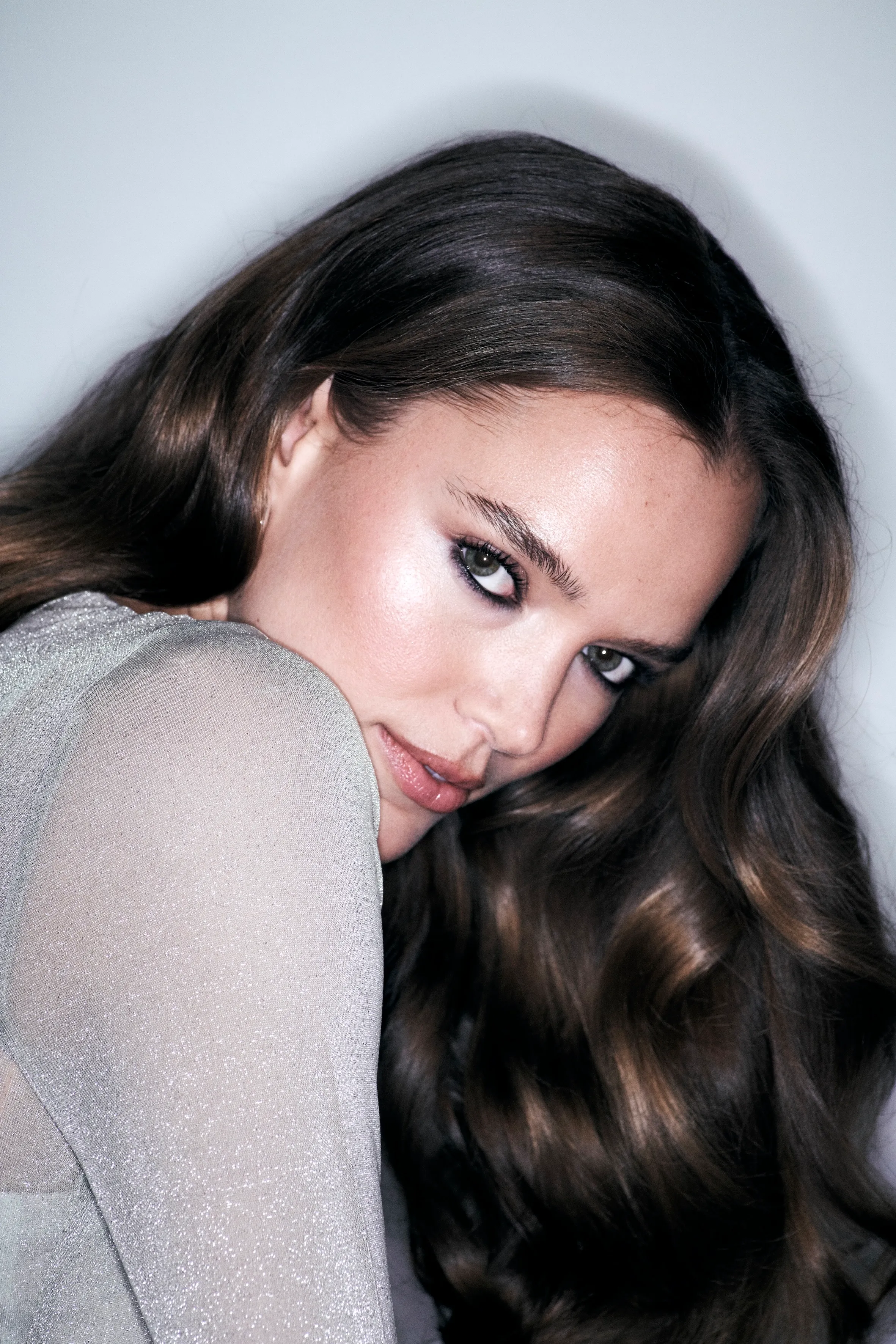
The width of your cheekbones relative to your forehead and jaw creates a visual framework that hair either complements or contradicts. Blowouts that add width to an already broad jawline can make the lower face appear heavier, while volume at the temples of a narrow forehead restores balance. Professionals trained in professional hair styling services learn to read these proportions within seconds.
Measuring Your Face at Home
Identifying your face shape requires three measurements: forehead width across the broadest point, cheekbone span from one outer edge to the other, and jawline length from ear to chin. Pull your hair completely back, stand before a well-lit mirror, and use a flexible measuring tape. A face where the cheekbones are the widest measurement and the length exceeds the width typically falls into the oval classification.
The Six Primary Face Shapes
Stylists generally work with six core categories:
- Oval shapes feature balanced proportions with a gently narrowing chin.
- Round faces carry equal width and length with soft jaw angles.
- Square faces display a strong, angular jaw that matches the forehead.
- Heart shapes taper from a wider forehead to a narrow chin. Oblong faces are noticeably longer than wide.
- Diamond faces have narrow foreheads and jawlines with prominent cheekbones.
Each category responds differently to volume, curl direction, and parting placement, which is why a hair styling home service professional begins every appointment with a structural assessment.
Blowout Strategies for Round Faces
Round faces benefit from height at the crown and sleekness along the sides. The best blowout for round-face geometry directs airflow upward during drying, using a medium-barrel round brush to create lift without excessive curl. A deep side part further disrupts the circular symmetry. The optical relationship between hair volume and facial proportions significantly influences perceived attractiveness. A 1.5-inch round brush works well for round faces because it creates moderate lift without forming tight curls that would widen the silhouette. Section the crown area into narrow strips and direct the brush vertically while following with the dryer nozzle. For the sides, switch to a paddle brush to maintain sleekness.
Ready to book your next appointment?
Book NowProfessional Blowout Process for Oval and Square Faces
Trained stylists follow a deliberate sequence when working with oval and square face shapes:
- Assess the jawline angle and forehead width: Before touching a brush, a skilled stylist examines how sharp the jaw angle is and whether the forehead matches that width. The width at the forehead determines whether the face reads as balanced or top-heavy against the jaw below. This initial reading shapes every decision that follows, from parting placement to brush size to where volume gets built. Soft curves work for some structures, structured movement for others, and the answer comes from the bones themselves rather than a default routine applied to every client.
- Select the appropriate parting position: Oval faces carry a center part with ease due to their natural symmetry, while square faces benefit from a side part that introduces diagonal lines across the forehead, breaking the horizontal emphasis along the strong jawline.
- Choose a brush diameter based on desired movement: Oval shapes work with nearly any barrel size, but square faces should use a large, two-inch barrel brush to produce loose, sweeping waves rather than tight curls, which add visual weight near the jawline.
- Direct heat and tension to sculpt volume placement: For square shapes, concentrate lift at the crown and mid lengths while keeping the roots along the temples flat, because building height at the top creates an oval illusion that flatters the angular bone structure beneath.
- Apply finishing products to lock in shape and shine: A lightweight serum along the mid-shaft and ends helps prevent frizz from undoing the carefully constructed silhouette, and a flexible-hold spray ensures that movement remains fluid rather than stiff throughout the day.
Many clients discover these distinctions when they book a mobile hair stylist appointment and receive personalized instruction. Oval proportions are considered the ideal canvas because the balanced width-to-length ratio means volume placed anywhere maintains visual harmony. If you have an oval silhouette, your primary consideration shifts to personal preference, and you can explore the full spectrum of volumizing blowout techniques without worrying about proportion disruption.
Heart, Diamond, and Oblong Blowout Techniques
Balancing a Wider Forehead on Heart Shapes
The blowout goal is to add fullness at the lower half of the hair while minimizing volume at the top. Booking a mobile blowout near me appointment ensures that this delicate balancing act receives expert attention. Well-maintained hair holds styling better regardless of technique.
Diamond Face Strategies for Cheekbone Harmony
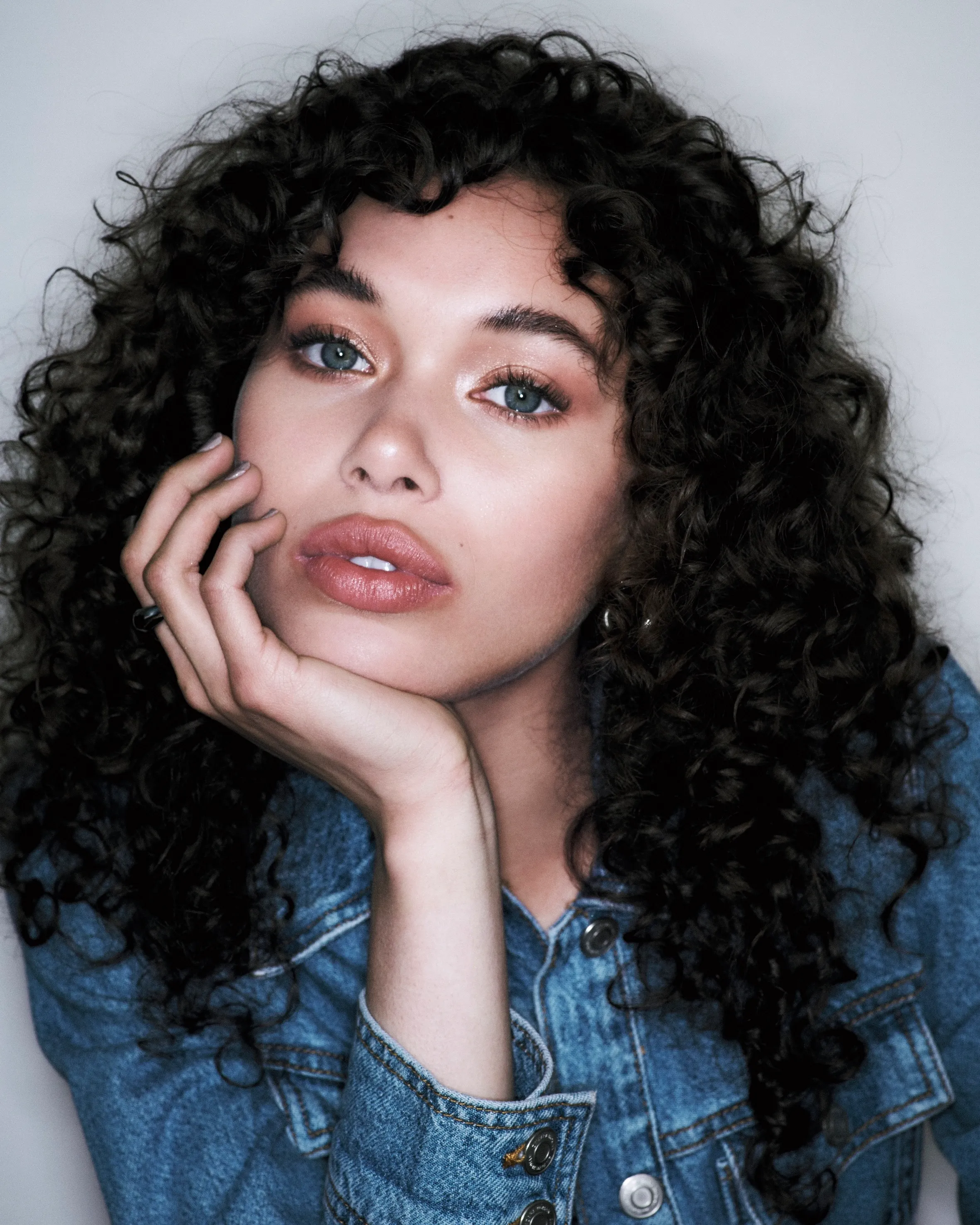
Diamond faces feature prominent cheekbones as the widest point, with both the forehead and jawline narrowing equally. Side-swept bangs blown across the forehead expand its visual width, and curls that begin at ear level add dimension near the jaw. Avoid tucking hair behind the ears on diamond faces, as this exposes the full cheekbone and accentuates narrow extremes.
Oblong Faces Need Horizontal Volume
Focus on lateral fullness by using a large barrel brush to create side-swept waves that extend outward. When booking an at-home hair stylist appointment, mention your face shape when scheduling so the stylist arrives with the right tools. The initial consultation is when your in-home hair stylist evaluates not just your face shape but also your density, texture, and growth patterns.
How Professionals Assess Face Shape Before Styling
The Consultation
Every exceptional blowout begins before the dryer turns on. A skilled professional examines your face from multiple angles, noting forehead width, cheekbone prominence, jaw angle, and chin shape. When you schedule at-home beauty services, the consultation takes place in the comfort of your own space, which puts clients at ease and encourages honest conversation about preferences. Experienced professionals use their hands as framing tools, placing them along the jawline and forehead to highlight differences in width. Some take photographs from directly in front and in profile to compare dimensions objectively. Digital face-mapping tools have entered the industry, though most veteran stylists rely on their trained eye, developed over thousands of appointments. The ability to quickly categorize a face shape and translate that reading into a customized blowout plan separates routine work from transformative styling.
Ready to book your next appointment?
Book NowWhy DIY Blowouts Often Miss the Mark
Product Knowledge Gaps
A volumizing mousse at the roots works brilliantly for round faces needing crown height, but that same product applied uniformly would sabotage the flat crown required for an oblong face. The comprehensive Glamsquad services menu connects you with stylists who bring this expertise to every appointment.
Common DIY Mistakes
Without professional guidance, certain blowout errors repeat across face shapes. The following mistakes are the ones stylists encounter most frequently when clients have been styling without structural awareness:
- Crown Volume on Oblong Faces: Height at the top of an already elongated face pushes proportions further from balance. Balance is what oblong shapes need most, since their length already dominates the visual frame. Home stylists default to root lifting across the entire head because tutorials rarely flag this structural distinction. The distinction matters: oblong faces want width at the sides and softness through the temples, not vertical lift at the crown. Adding height only stretches the face into a longer, narrower silhouette than the client started with.
- Flat Blowouts on Round Faces: Sleek, straight blowouts without any crown lift allow circular proportions to dominate the face. Domination by width is exactly what round shapes need to break. The absence of vertical emphasis makes the face appear wider than it actually is when viewed straight on. Straight-on viewing is how most people see themselves in mirrors and photos, which makes this mistake especially visible. Round faces need height at the crown to introduce vertical movement, drawing the eye upward and visually lengthening proportions that otherwise read as horizontal.
- Tight Curls on Square Jawlines: Small barrel curls near the jaw amplify angularity rather than softening it. Softening is the entire goal when working with a square structure, since the jaw already carries strong definition on its own. Concentrated volume at cheek level creates visual bulk exactly where square faces need flowing movement instead.
- Missing Chin-Level Volume on Heart Shapes: Failing to add fullness at the jaw and chin leaves the narrow lower face exposed and unbalanced. Unbalanced proportions are the defining challenge of heart shapes, which carry their widest dimension at the forehead. The forehead naturally pulls visual weight upward, and a blowout that adds even more volume at the top compounds the imbalance rather than correcting it. Strategic fullness around the chin counterweights the wider upper face, creating the hourglass effect that heart shapes need to soften their sharp downward taper.
- Tucking Hair Behind the Ears on Diamond Faces: This habit exposes prominent cheekbones while accentuating a narrow forehead and jaw. Cheekbones are already the dominant feature on diamond shapes, and removing the hair that frames them only sharpens the contrast. Contrast at the midface is what diamond proportions need to soften, not magnify. Strategic volume placed at the temples and chin redistributes visual weight away from the cheekbones and toward the narrower zones. Tucking instantly erases that redistribution, undermining the balancing effect the blowout was designed to create.
Avoiding these pitfalls requires the structural awareness that a trained stylist provides. Clients who book through Glamsquad's easy-to-use booking platform gain access to professionals who correct these patterns as part of every appointment.
Brush Size and Volumizing Technique by Face Shape
Brushes two inches and above produce loose, flowing waves ideal for square faces that benefit from soft movement around the jaw and oblong faces that need lateral volume without tight curls. The larger the barrel, the more subtle the wave, creating an effortlessly polished finish that looks natural. Large barrels also cover more hair per pass, reducing blowout time and minimizing heat exposure across the full head. Add heat protectant before any thermal styling to maintain strand integrity.
After shaping each section with heat, a blast of cool air sets the hydrogen bonds in their new configuration. Skipping this step means the style relaxes within minutes. Professionals use the cool shot after every section, which is one reason expert-performed volumizing blowout techniques last significantly longer. Learning how mobile beauty professionals operate reveals just how tailored this process becomes.
Bringing Expert Styling to Your Space
Scheduling mobile hair and makeup services unlocks customization that salon environments often cannot match. In your own space, you can show your stylist your daily routine, your product collection, and the outfits you plan to wear. This contextual information helps them make nuanced decisions about volume, texture, and movement under your actual lighting conditions rather than fluorescent salon overheads. Look for professionals who demonstrate structural awareness in their portfolio. Before-and-after photos showing balanced volume placement indicate a stylist who thinks beyond generic blowout templates. Platforms offering at-home hair and makeup services often include specialization details, making it easier to find someone whose expertise aligns with your needs.
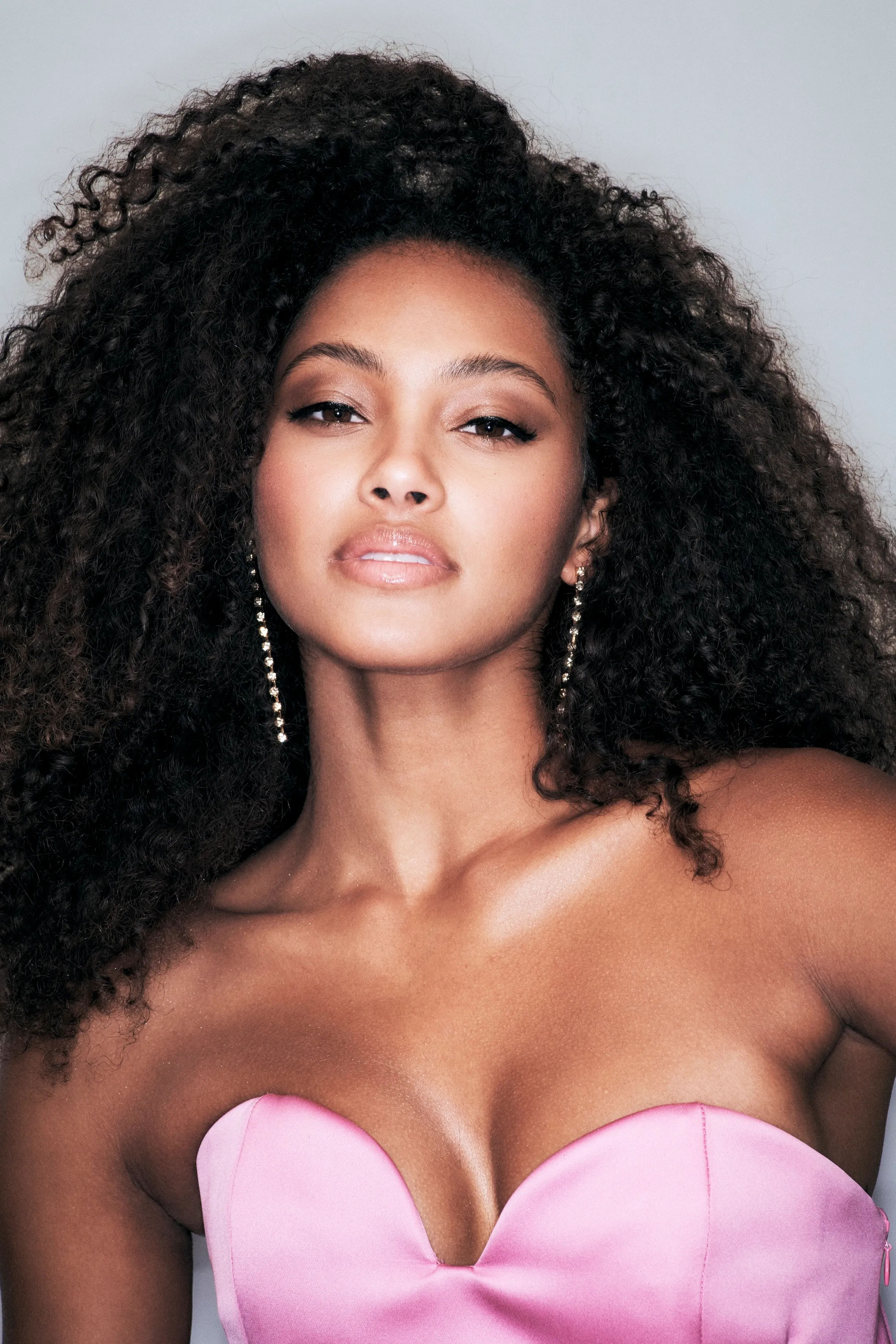
Armed with knowledge of your face shape and the strategies that complement it, approach every styling appointment with confidence. The discipline of blowout styles for face shape awareness transforms hair styling from a guessing game into an intentional practice. Whether you book a hair styling home service or visit a salon, arrive ready to discuss your measurements and the volume placement strategies outlined in this guide.
Sources
- American Academy of Dermatology. Hair care tips for healthy hair. Retrieved from https://www.aad.org/public/everyday-care/hair-scalp-care/hair/healthy-hair-tips
- Harvard Health Publishing. Easy ways to protect your hair. Retrieved from https://www.health.harvard.edu/staying-healthy/easy-ways-to-protect-your-hair
- International Journal of Cosmetic Science. Optical effects of hair volume on facial perception. Retrieved from https://onlinelibrary.wiley.com/journal/14682494
- Glamsquad. Services overview. Retrieved from https://www.glamsquad.com/services
- Glamsquad. How to book mobile hair, makeup, and nail services in minutes. Retrieved from https://www.glamsquad.com/blog/how-to-book-mobile-hair-makeup-and-nail-services-in-minutes
- Glamsquad. Mobile beauty services: How at home hair, makeup, and nails work. Retrieved from https://www.glamsquad.com/blog/mobile-beauty-services-how-at-home-hair-makeup-and-nails-work