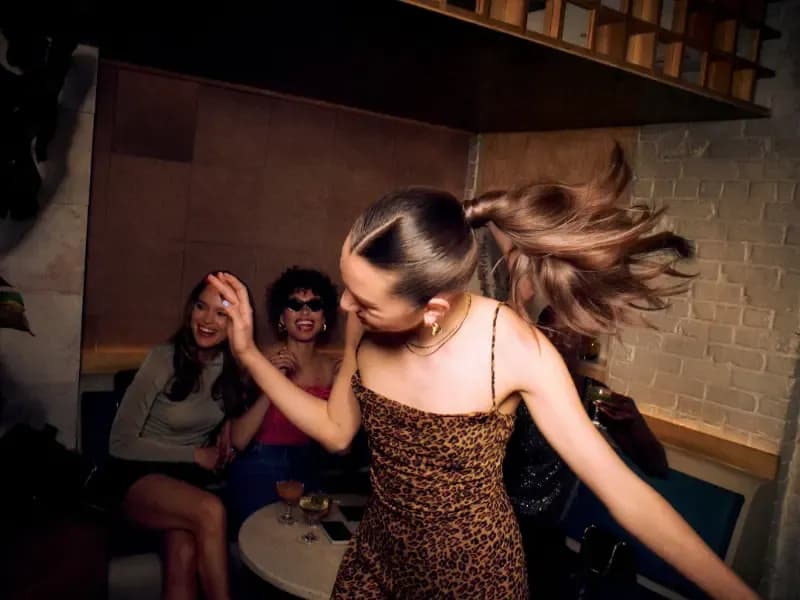
There is nothing more frustrating than spending time crafting an elegant updo only to watch it sag, slip, and unravel before the main course arrives at dinner. Most people assume their hair simply refuses to cooperate, but the real issue lies in technique, preparation, and product selection. When you search for a mobile hair stylist and book a professional for your next event, you quickly discover that the updo they create survives dancing, hugging, wind, and hours of movement without a single pin falling out. The difference between a professional result and a homemade attempt comes down to foundational knowledge that transforms how hair behaves under tension and gravity.
The Real Reasons Your Homemade Updos Collapse
Skipping Foundation Prep Entirely
The number one reason DIY updos fall apart is that most people attempt to style freshly washed, silky-smooth hair. Clean hair lacks the natural grip and texture that allow pins, elastics, and twists to hold securely. Without any roughness along the hair shaft, every component slides against neighboring strands. Professionals understand that creating lasting structure requires building friction into the hair before any styling begins.
Beyond cleanliness, many people skip heat preparation entirely. A professional will blow-dry the hair with directional tension, adding body and shape before ever reaching for a bobby pin. Flat, limp hair provides no internal structure for an updo to rest upon, much like building on sand rather than solid concrete.
Insufficient Pinning and Wrong Pin Angles
Another critical failure point involves the quantity and placement of bobby pins. Most people use far too few pins and insert them incorrectly. A pin pushed straight into the hair, parallel to the scalp, will slide out within minutes because it has nothing to grip. Professionals insert pins at opposing angles, creating an interlocking grid that resists movement in every direction. Each pin crosses over another, forming a web of support that distributes tension evenly across the entire style. Several common pinning mistakes cause updos to fail prematurely. Understanding these errors helps you recognize why DIY updos fall apart and what corrections make the biggest difference in hold time and stability:
- Parallel Pin Insertion Without Cross Support: Pushing bobby pins straight into the hair, without crossing them with other pins, eliminates the friction lock that holds sections in place. Each pin must intersect with at least one other pin, creating a lattice structure that resists gravitational pull and movement.
- Using Too Few Pins for the Volume of Hair: Most people reach for four or five bobby pins when a professional would use fifteen to twenty-five. Each additional pin distributes weight more evenly and creates redundancy so that if one loosens, the remaining network maintains structural integrity.
- Ignoring the open-ended direction of the Pin: Bobby pins have a flat side and a ridged side designed to grip hair. Inserting them with the ridged side facing away from the scalp significantly reduces grip strength. Professionals orient the wavy side toward the head for maximum hold.
- Failing to Anchor Pins Into a Secure Base: Placing pins in loose, flowing hair provides no stable anchor. Effective pinning requires pushing pins through twisted or braided sections where multiple strands are already intertwined.
Correcting these pinning habits alone can double the lifespan of any updo, transforming a style that collapses in one hour into one that maintains its shape throughout an entire evening.
No Texture Building Before Styling
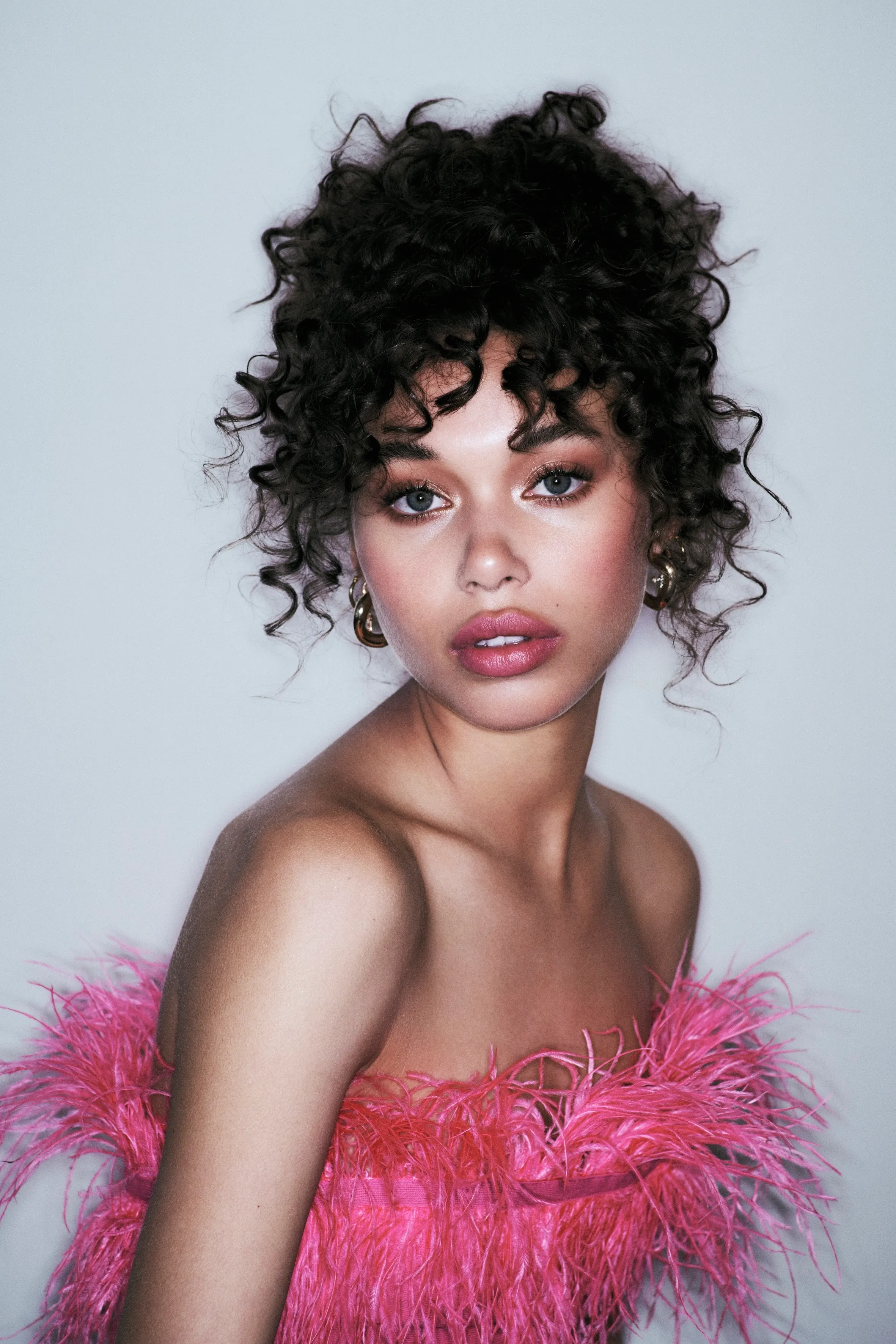
Texture is the invisible ingredient that separates amateur updos from professional ones. When a hair and makeup artist comes to your home, one of the first things they do is create texture throughout the hair using backcombing, texture spray, and strategic curling. This texture acts like Velcro between hair sections, preventing smooth strands from sliding past each other. Without texture, gravity wins every time, pulling sleek hair downward and dismantling your style piece by piece.
Professional Techniques That Create Unbreakable Structure
Backcombing
Backcombing, also called teasing, is the cornerstone of professional updo techniques that trained stylists rely on for every formal style. This method involves combing small sections of hair backward toward the scalp, creating a cushion of tangled fibers at the root. The backcombed area becomes a dense, grippy foundation that pins can anchor into securely. Rather than trying to pin smooth hair, professionals create this internal padding that gives the entire updo a stable base to build upon.
Strategic Pin Placement
One of the most closely guarded secrets among professional stylists is the forty-five-degree pin insertion angle. Rather than pushing pins straight in or straight across, experts insert each bobby pin at a diagonal angle relative to the scalp. This forty-five-degree approach allows the pin to catch more hair fibers along its path while also hooking into the backcombed foundation beneath. The result is a pin that resists being pulled out by gravity or movement because it is anchored at an angle that opposes downward force. Understanding how professionals secure updos starts with mastering this single technique, which dramatically multiplies holding power.
Additionally, professionals use a technique called pin weaving, in which each pin enters the hair, catches a small section, and then redirects back to the base. When combined with cross-pinning at opposing 45-degree angles, the resulting structure becomes remarkably strong against vigorous dancing or wind exposure.
Ready to book your next appointment?
Book NowBobby Pin Scaffolding
Beyond individual pin placement, professionals construct internal scaffolding using bobby pins before any visible styling begins. This scaffolding technique involves placing a ring of pins around the area where the updo will sit, creating a framework that supports the weight of the gathered hair. Think of these hidden pins as the steel beams inside a skyscraper. They are invisible from the outside but carry the entire structural load of the finished style. When you book an at-home hair and makeup service for a special occasion, your stylist builds this invisible foundation first, ensuring everything placed on top has a secure attachment point.
Texture Spray, Hairspray, and Dry Shampoo: Understanding Each Product
Texture spray serves an entirely different purpose than hairspray, yet many people confuse the two or skip texture spray altogether. Texture spray is applied before styling to create grip and body throughout the hair. It deposits microscopic particles along the hair shaft, increasing friction between strands. This pre-styling application is one of the most important long-lasting updo tips because it transforms smooth, slippery hair into a workable medium that holds pins, twists, and braids without sliding.

When your in-home hair stylist provider arrives for your appointment, watch how they apply texture spray in sections rather than as a single all-over mist. Targeted application ensures every layer of the updo has adequate grip without creating stiffness or visible product buildup. The best texture sprays leave hair feeling slightly gritty to the touch, which is exactly the quality that keeps everything locked in place throughout your event.
Hairspray serves as the final protective layer applied after the updo is complete. Unlike texture spray, which creates grip before styling, hairspray locks the finished shape by forming a lightweight film over the surface. Professional stylists apply hairspray in two stages. The first application comes as a light mist after the major structural elements are secured, and the second covers the completed style from multiple angles. For events where your updo must withstand hours of activity, a strong-hold formula provides the rigid seal needed to resist humidity and time.
When applied to roots and lengths before styling, dry shampoo adds a powdery texture that dramatically increases the hair's ability to hold shapes and accept pins. Many experienced stylists actually prefer working with second-day hair refreshed with dry shampoo because it offers superior grip compared to freshly washed strands.
Four Updo Styles That Survive Any Event
Choosing Styles With Built-In Structural Advantages
Not every updo construction method delivers equal longevity. Some styles inherently resist gravity and movement better than others because of their internal engineering. When selecting the best updos for events, choosing a style with built-in structural advantages saves you from constant mirror checks and emergency pin replacements throughout the evening:
- The Classic French Twist for Timeless Stability. French twists rank among the most structurally sound updos because the twisting motion compresses hair against the head, creating internal tension that helps it resist unraveling. The vertical roll distributes weight evenly rather than concentrating mass at a single point.
- The Low Chignon With Wrapped Base. A low chignon positioned at the nape benefits from gravity rather than fighting against it. The gathered hair sits at the lowest point of the head, so gravity presses the bun against the neck rather than pulling it away from the pins.
- The Braided Crown for Active Events. Braided crown styles excel at events involving significant movement because the braid itself functions as a continuous locking mechanism. Each crossover traps neighboring strands, and the circular path means there is no single vulnerable attachment point where failure could cascade.
- The Textured Bun With Intentional Volume. Textured buns incorporate deliberate looseness into their design, which paradoxically makes them more durable than sleek buns. The style already includes soft, pulled-out pieces, so minor shifting does not create a noticeably disheveled appearance as a smooth style would.
Matching Style to Occasion
Each of these four styles offers distinct advantages depending on the nature of your event and the length and density of your hair. A consultation with your professional hair-styling provider helps determine which structure delivers the best results for your occasion.
How Your Hair Type Affects Updo Longevity
Fine Hair
Fine hair presents unique challenges for updo longevity because each strand has a smaller diameter and produces less natural friction. This means fine hair slides, slips, and separates more easily under the weight of an updo. Professionals compensate by investing more time in the preparation phase, using extra backcombing, a generous amount of texture spray, and sometimes adding clip-in extensions for structural volume. When you book at-home beauty services for an event, communicate your hair type clearly so your stylist arrives prepared with the right tools and products for fine hair.
Fine hair also responds exceptionally well to the second-day hair strategy. The natural oils that accumulate after skipping a wash add weight and grip that fine hair desperately needs. Many professionals recommend avoiding washing for at least twenty-four hours before an updo appointment, allowing natural sebum to create the friction that freshly cleaned fine hair completely lacks.
Ready to book your next appointment?
Book NowThick Hair
Professional stylists adjust their approach based on density and weight. These targeted modifications ensure that thick hair receives adequate structural support throughout your event:
- Sectional Construction for Weight Distribution. Rather than gathering all thick hair into one point, professionals divide it into three or four independently secured zones. Each section carries only a fraction of the total weight and has its own pin network, preventing any single point from bearing the full load.
- U-shaped pins for Heavy Hair Support. Standard bobby pins flex and open under heavy loads, gradually loosening until sections begin falling. U-shaped pins distribute force across two prongs inserted into different areas of the base.
Understanding your specific hair type allows you to communicate effectively with your stylist and set realistic expectations for hold duration during your event.
Why Second Day Hair Holds Updos Better Than Clean Hair
One of the most counterintuitive long-lasting updo tips that professionals share is to avoid washing your hair the day of your event. Hair that has gone twenty-four to forty-eight hours without shampooing contains natural sebum distributed along the shaft, creating a slightly tacky surface that dramatically improves how well pins grip and how firmly twists hold. Natural sebum increases hair-to-hair friction measurably compared to freshly shampooed strands.
How Mobile Stylists Arrive Fully Equipped for Lasting Updos
The convenience of having a mobile hair and makeup professional arrive at your location extends beyond simple time savings. When you prepare for an event at home, you stay relaxed in your own environment, reducing the stress that often accompanies salon visits before important occasions. Your stylist can work methodically without time pressure, ensuring every pin is placed precisely. Explore the full range of services available through professional event styling at Glamsquad.com to find the right option for your next celebration.
Building Your Event Day Strategy for the Perfect Updo
Timeline Planning for Maximum Hold
Creating an updo that lasts all night begins well before your stylist arrives. Wash your hair the evening before your event so it has a full night to develop natural oils. Apply a light dry shampoo to roots in the morning for freshness without removing that beneficial grip. Avoid heavily conditioning the lengths. Overly conditioned hair becomes too slippery for secure pinning.
Schedule your styling appointment to finish approximately sixty to ninety minutes before you need to leave. This buffer allows the hairspray to set completely and gives you time for final outfit adjustments. Rushing through an updo to meet a tight deadline is one of the fastest paths to a style that collapses early. For help finding the perfect stylist for your event, browse experienced mobile hair professionals at Glamsquad.com and schedule your appointment today.
Emergency Touch Up Essentials
Even the most expertly constructed updo may need minor adjustments during a lengthy event. Pack five to ten Bobby pins that match your hair color, a travel-size bottle of strong-hold hairspray, and a few clear elastic bands in your clutch. Knowing how professionals secure updos during touch-ups means inserting pins at crossing angles into the base rather than simply pushing them straight into the loose section.
From Blowouts to Updos as Styling Foundations
Many clients who regularly enjoy a blowout at home service discover that a professional blowout creates the ideal starting point for an updo later that same day or the following evening. The volume, texture, and shape established during a blowout give your hair the body it needs for a formal style that holds. Learn more about combining services by visiting Glamsquad styling options to explore your possibilities.
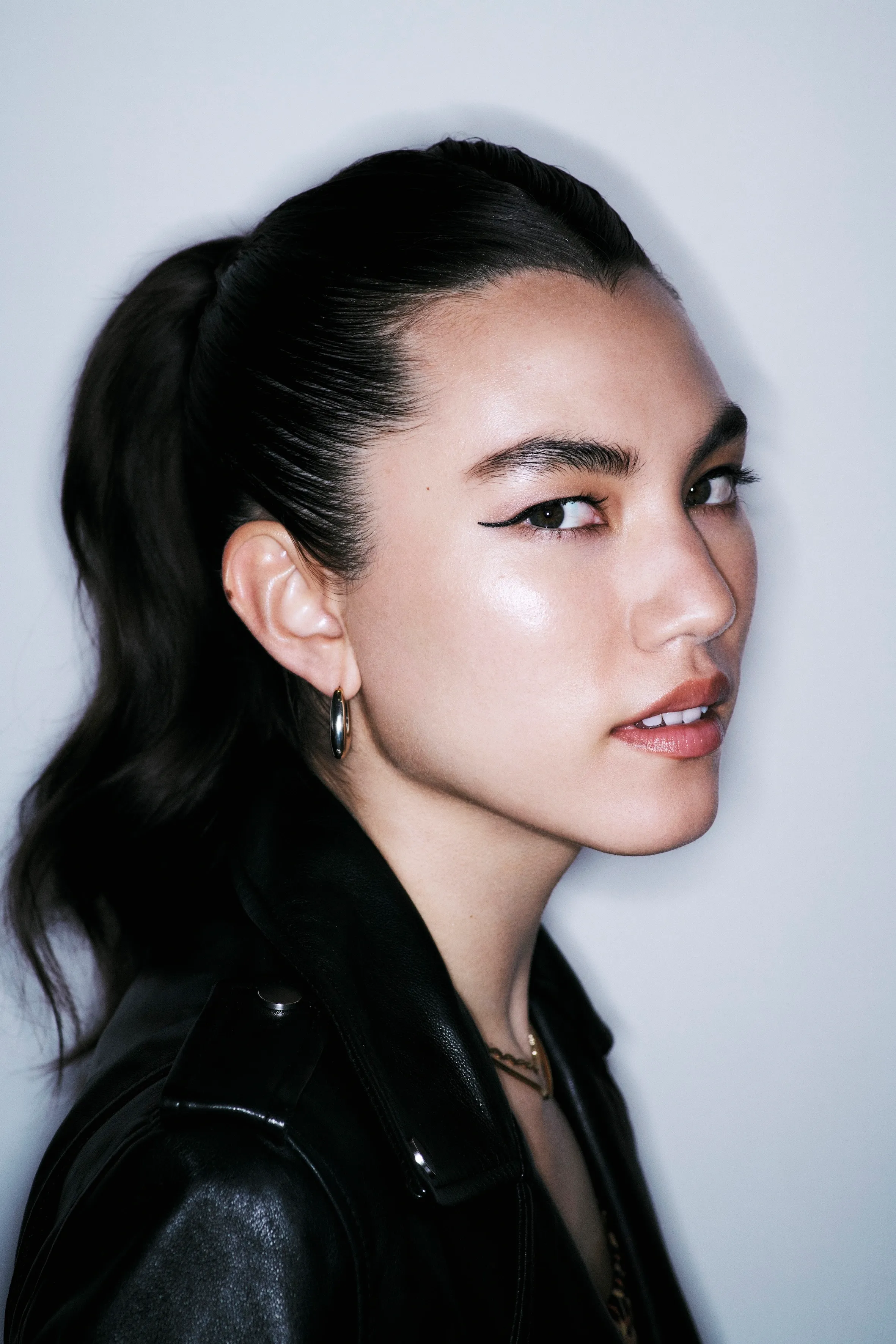
When you book a home hair and makeup service for a formal event, discuss with your stylist whether starting with a partial blowout would benefit your specific updo. For many hair types, especially fine or very straight hair, a blowout foundation adds the internal volume and texture that makes the final result more durable. A two-step approach represents the gold standard for updos for events and is the method most editorial and bridal stylists rely on for their highest-profile clients.
Sources
- Bhushan, B., & Chen, N. (2019). Surface energy and friction characterization of human hair fibers. Journal of Cosmetic Science, 70(3), 215-228.
- Draelos, Z. D. (2020). Hair cosmetics and styling product performance evaluation. International Journal of Cosmetic Science, 42(1), 58-67.
- Gavazzoni Dias, M. F. (2021). Hair structure, function, and physicochemical properties relevant to cosmetic formulation. Cosmetic Dermatology, 34(2), 112-124.
- Robbins, C. R., & Crawford, R. J. (2020). Cuticle friction and its influence on hair assembly behavior. Journal of the Society of Cosmetic Chemists, 71(4), 301-315.
- Syed, A. N., & Kuhajda, A. (2019). Mechanical properties of hair and their role in styling product adhesion. Journal of Cosmetic Dermatology, 18(6), 1622-1631.
- Wolfram, L. J., & Lindemann, M. (2021). Sebum composition and its effects on hair fiber friction and manageability. Applied Cosmetic Science, 17(2), 89-103.