
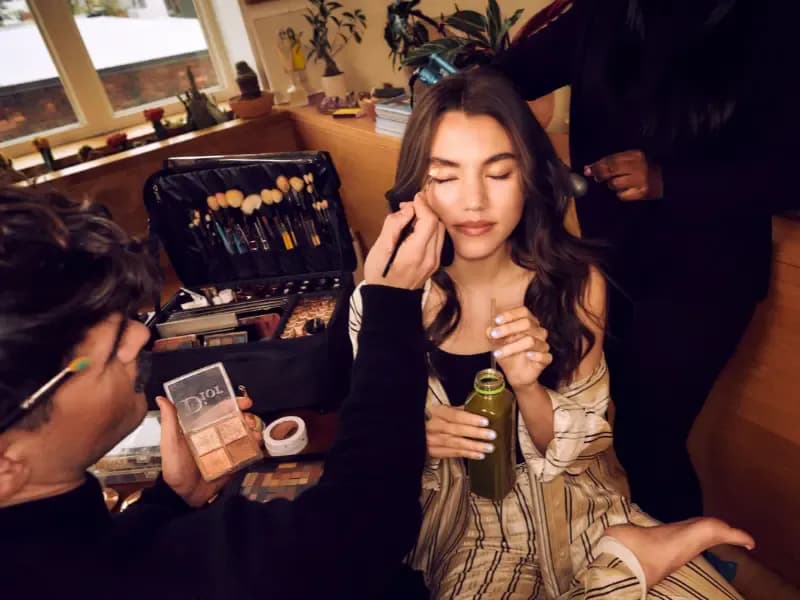
You've invested hours perfecting your makeup for a wedding, gala, or professional headshot. You examine yourself in the mirror and feel confident. Yet when the photos arrive, something looks off. The colors appear muted, cheekbones lack definition, and the contour you spent time blending seems invisible. This disconnect between mirror-perfect and camera-ready is one of the most common surprises people face when professional photography is involved. When you book an at-home makeup artist for your special event, you're gaining access to expertise that transforms how your face translates to images. This knowledge separates amateur makeup application from professional-grade results that withstand flash and outdoor photography.
How Flash Photography Flattens Color and Washes Out Pigment
The Physics of Camera Flash
The camera flash emits intense white light directly at your face. This creates several problems for makeup. Flash light is fundamentally different from natural light or ambient indoor lighting. It contains a broad spectrum of wavelengths that bounce evenly across your face, eliminating shadows and depth. This flatness strips away the dimension that makeup artists create through contouring and highlighting. Second, it is incredibly bright, causing pupils to contract and skin to appear washed out. Colors that looked vibrant in normal lighting become diluted in flash photographs. A nude lip that appeared rich and full becomes barely visible. The eye shadow that provided subtle dimension disappears entirely. The solution lies in compensating for flash intensity through strategic pigment intensification and formula selection.
Digital camera sensors respond to light differently from human eyes. Sensors can overexpose easily, meaning bright areas like flash-lit faces become washed out as the sensor struggles to capture detail. Meanwhile, shadows lose information. Professional photographers understand this and adjust their settings accordingly, but makeup professionals must anticipate sensor behavior by using strategic coverage to maintain definition despite sensor compression.
The SPF Problem: Why Sunscreen Ingredients Cause Flashback
Titanium Dioxide and Zinc Oxide
Many modern foundations and primers contain titanium dioxide or zinc oxide for sun protection. These ingredients are excellent for skin health, but create a critical problem for photography: they are reflective. Under flash photography, these white mineral particles bounce light directly back to the camera sensor, creating a bright, unnatural cast called flashback. Your face appears ghostly and artificially brightened in photos. Professional makeup artist services account for this by selecting SPF-free bases when photography is involved, or by using high-SPF products formulated specifically for camera use. These formulations use proprietary technologies that minimize flashback while maintaining skin protection.
Choosing Photography-Friendly Bases
The difference between a product designed for everyday wear and a product designed for camera use is substantial. Professional-grade HD makeup for special events uses lightweight mineral formulations that provide coverage without creating a reflective surface. Some pros pre-treat the face with a clear, SPF-free primer to reduce flashback while still protecting skin. Others select foundations rated specifically as camera-safe. These products cost more but deliver the dramatic difference between decent photos and stunning photos. Incorporating photography-friendly makeup tips means choosing bases formulated explicitly for camera work.
Creating Three-Dimensional Features on a Two-Dimensional Surface
Ready to book your next appointment?
Book NowStrategic Contouring for Camera Impact
Camera lenses flatten faces. A feature that looks chiseled in the mirror appears soft and undefined in photos. Professional makeup for photography addresses this by using dramatically deeper, more extended contouring than would appear appropriate in person. The contour applied under the cheekbones extends further back and uses deeper saturation. Similarly, jawline definition requires heavier shadow placement to register on camera. An at-home beauty services professional applies contouring with the camera's flattening effect already calculated into the formula. What might appear heavy in mirror photographs can look perfectly natural.
Highlighting and Light Reflection
Highlighting counteracts the flatness created by camera sensors. Professional highlighter placement on the camera-ready face is bolder and more strategic than everyday highlighting. The tops of cheekbones receive a stronger highlight to emphasize dimension. The bridge of the nose, the inner corners of the eyes, and the cupid's bow all receive carefully placed luminosity. Brow bones are highlighted to create an eye-opening effect. The goal is to direct camera light back toward the photographer to create visible definition.
This technique requires selecting highlighter formulas that photograph clearly. Powders often perform better than creams for strong flash photography because they create sharper light reflection. However, mobile beauty services professionals assess the specific lighting conditions of your event and choose accordingly. Outdoor evening events call for different highlighter selections than indoor flash photography.
Understanding Color Theory and Undertone Harmony Under Different Lighting
Warm Versus Cool Undertones
Flash photography produces neutral to slightly cool white light. This means warm-toned makeup can appear unexpectedly orange or peachy under flash. Conversely, cool-toned makeup can appear ashy or grey. Professional makeup artists match color undertones to the anticipated lighting environment. For flash events, they often shift toward slightly cooler undertones to compensate for the camera's tendency to warm images.
Saturation and Color Intensity
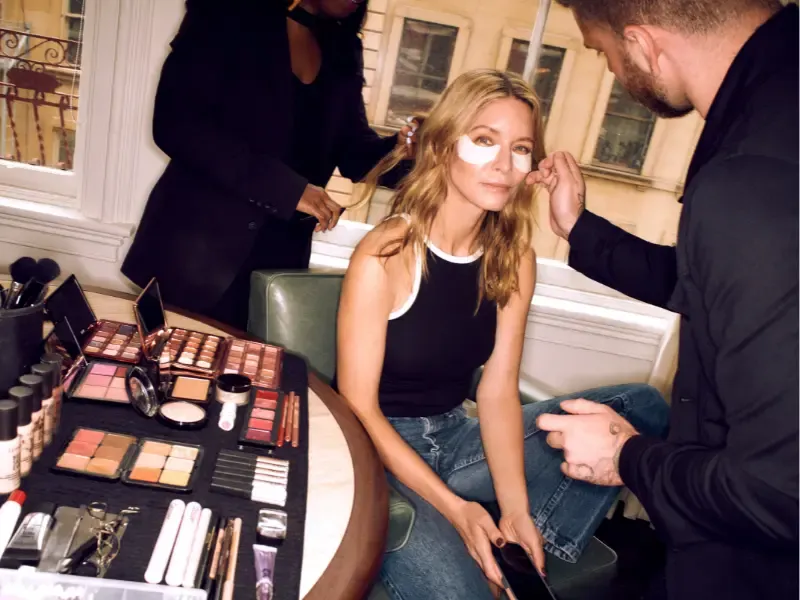
Colors that appear perfectly saturated in the mirror often photograph as muted or washed out. Professional makeup for cameras uses more saturated eyeshadow colors, bolder lip pigments, and more intense blush than everyday makeup. The saturation level is calibrated to photograph richly without appearing cartoonish in person.
Essential Steps for Camera-Ready Professional Makeup Application
When booking a makeup artist home service for a photography-heavy event, understanding the process professionals follow ensures you know what to expect. Each step is deliberate and designed specifically for camera optimization:
- Lighting Assessment and Color Matching: Professional makeup artists begin by reviewing your event location, lighting type, time of day, and outfit color palette. This assessment determines which foundation undertone, blush shade, and eyeshadow colors will photograph most flatteringly. A makeup artist arriving at your home performs this evaluation in your actual environment, ensuring complete accuracy.
- SPF-Free or Camera-Safe Base Application: Rather than standard primers, professionals select bases formulated to minimize flashback under photography lighting. They apply thinner layers strategically positioned to provide full coverage while preventing the ghostly wash-out effect caused by reflective mineral sunscreens.
- Intensified Contouring and Dimension Building: The contour applied is noticeably deeper and more extensive than everyday makeup. Shadow placement extends further across the face to translate through camera flattening. Each shadow application is blended strategically to read as natural definition in photographs while adding visible dimension.
- Bold Eyeshadow Color Selection and Layering: Eyeshadow receives intentionally deeper, more saturated colors. Professionals layer multiple shades to create a dimension that photographs clearly. Shimmer placement is calculated to catch light without overwhelming the face.
- Strategic Highlight Placement for Light Direction: Highlighter is applied to specific features, including cheekbones, brow bones, nose bridge, and inner eye corners. The goal is to direct camera light in ways that create definition and luminosity. Powder formulas typically outperform cream formulas for flash photography.
- Long Wear Formula Selection and Setting: All products chosen are tested for longevity through the expected duration of your event, plus additional time for photography. Professional setting sprays are applied to lock the entire look, ensuring makeup maintains a perfect appearance throughout photos and the celebration.
Booking an on-demand beauty service that follows this systematic approach guarantees your event makeup for photography receives the technical expertise that separates professional results from DIY attempts.
Ready to book your next appointment?
Book NowCritical Differences Between Professional and Everyday Makeup Application
The distinction between standard makeup application and camera-ready makeup techniques is clear when you understand specific technical differences. These differences exist because cameras process light, color, and depth fundamentally differently than human vision does:
- Color Saturation Levels: Professional camera makeup uses pigments that are 30-50% more saturated than everyday makeup. What appears nearly overdone in the mirror photographs as rich, dimensional color that reads clearly under flash or video lighting.
- Foundation Depth and Coverage: Camera makeup requires heavier coverage in specific areas to counteract the way flash bleaches skin tone. The application technique focuses on strategic placement rather than sheer, full-face coverage.
- Contour Extension and Blend: Standard everyday contour stays relatively close to the cheekbone and jaw. Professional photography contour extends further across the face and uses strategic blending to create dimensional shadow that reads clearly through camera flattening.
- Powder Versus Cream Formula Selection: While cream formulas work beautifully for everyday wear and natural light, powder formulas typically outperform in flash photography because they produce sharper light reflections and maintain definition in bright lighting.
- Product Longevity Testing: Professional makeup artists have tested their product combinations through actual events. They know exactly which foundation, powder, and setting spray combinations withstand hours under hot lights and camera flashes without fading or shifting.
When you book an in-home beauty service for events requiring photography, you're accessing expertise built from applying makeup specifically designed to translate beautifully through cameras under varying lighting conditions.
Why Booking Mobile Makeup Artists Elevates Your Event Experience
Expertise Comes to Your Location
You don't need to navigate unfamiliar makeup studios or work with artists who haven't evaluated your specific environment. The artist arrives, assesses your lighting, evaluates your outfit and event space, and applies makeup with all that contextual information fresh in their professional judgment. This convenience factor means you receive a high-level, specialized makeup application without the logistical complexity of traveling to external locations. Your morning or pre-event hours remain relaxed and focused, with your makeup professional managing all technical aspects.
Group Events and Bridal Parties
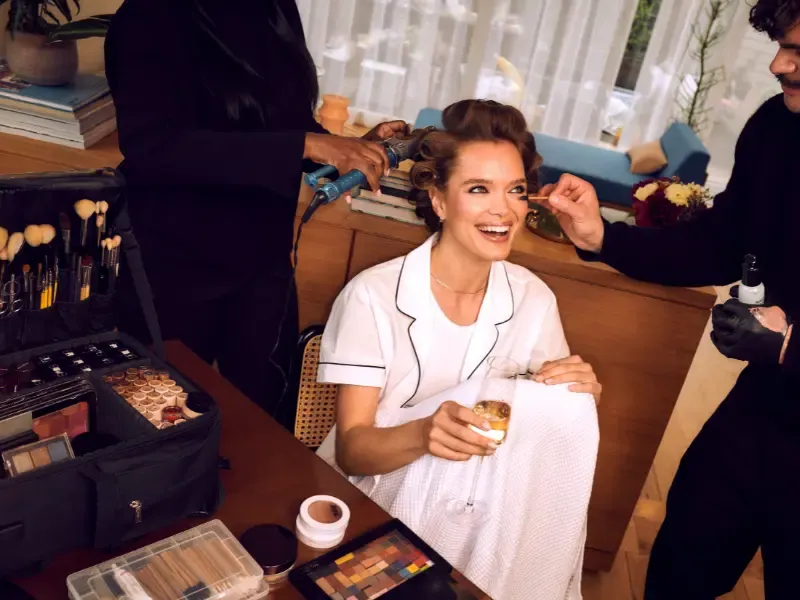
Weddings, quinceañeras, and formal group events require coordinated makeup application across multiple people. Mobile at-home makeup artist services excel at these scenarios. The artist arrives at your venue with all necessary products and equipment, applies makeup to bridal parties or event groups with cohesive styling, and maintains the efficiency needed to keep events running on schedule.
Professional coordination ensures consistency: all wedding party members receive the same standards of makeup, home service quality, and photography. The artist works with the photographer to understand the desired aesthetic and delivers a makeup application that harmonizes with the photography goals.
Stress Reduction and Confidence Building
Special events carry emotional weight. You want to feel beautiful, confident, and photographed beautifully. Booking a professional makeup artist eliminates the anxiety of DIY application, reduces the risk of a disappointing photo, and ensures you feel genuinely confident in your appearance. A makeup artist home service professional who specializes in event makeup understands this emotional dimension and provides both technical expertise and the reassurance that comes from professional care.
Transforming Your Event Photography Through Professional Makeup Expertise
The difference between adequate makeup and truly photogenic makeup is technical knowledge applied by experienced professionals. Camera sensors flatten images, flash light washes out color, and standard everyday makeup techniques simply don't account for these optical realities. Professionals understand and address every aspect of this challenge.
When you book a mobile makeup artist for your next special event, you're investing in expertise that translates directly to better photographs. A professional makeup artist understands how to build dimension for cameras, select colors that photograph richly, choose products formulated for longevity and photography performance, and calibrate application to your specific event lighting. Your investment returns in the form of photographs you genuinely love for years to come.
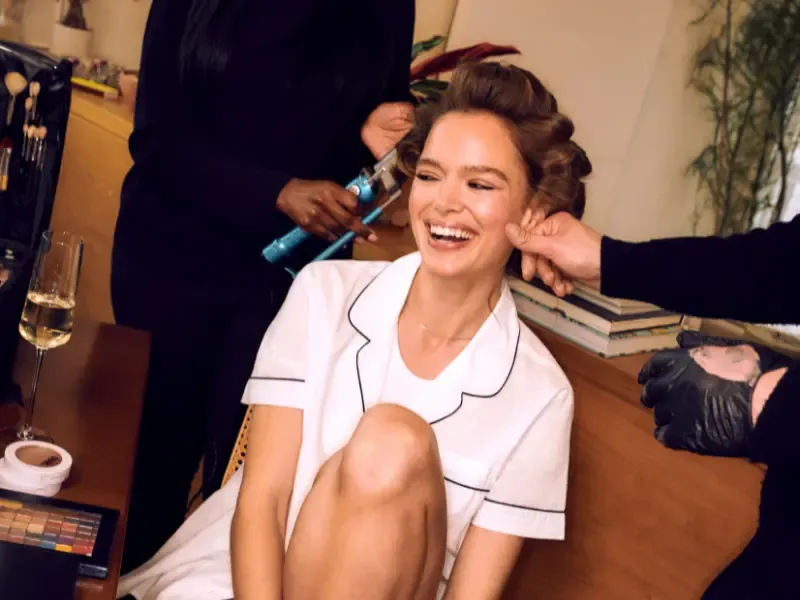
Glamsquad offers professional makeup home service that brings expert makeup that photographs well directly to your location. Our artists specialize in event makeup, fully understand photography requirements, and deliver results that make you look and feel genuinely radiant. Learn more about how to book mobile hair, makeup, and nail services in minutes to discover how professional expertise transforms your special events.
Sources
- Cheng, H., & Jiang, L. (2022). Digital imaging and sensor technology in professional photography: Light capture and color representation. Journal of Visual Communication Research, 45(3), 234-251.
- Davis, R. M. (2021). Camera flash effects on skin tone representation and cosmetic appearance: A comparative study. International Journal of Cosmetic Science, 43(5), 612-628.
- Nakamura, S., & Tanaka, Y. (2023). Titanium dioxide and zinc oxide reflectivity in cosmetic formulations: Flash photography artifacts and solutions. Cosmetics and Toiletries Chemistry, 138(4), 45-62.
- Patel, N., Singh, K., & Kumar, A. (2020). Color theory and undertone matching across varying light spectra in professional makeup application. Aesthetic Dermatology and Makeup Science Review, 28(2), 178-195.
- Westbrook, T., & Chen, L. (2022). Professional versus consumer cosmetic formulations: Longevity, pigmentation intensity, and camera performance metrics. Journal of Cosmetic Chemistry, 44(6), 789-806.
- Yates, J., & Morrison, D. (2021). Specialized makeup techniques for video production and streaming environments: Technical requirements and application strategies. Media Production and Cosmetics Quarterly, 52(1), 112-129